

So, you’re dreaming of planning the Big Lap Australia?
Whether you’re a freedom-seeking family taking a year off or an empty nester finally ready to turn “one day” into day one, this guide answers the questions you’ve probably Googled a dozen times. But this time, from someone who’s actually been there, doing the trip, and still loves it.
Let’s unpack everything from planning your route to staying safe, keeping costs down and making memories that last a lifetime.
What Exactly Is The Big Lap Australia?
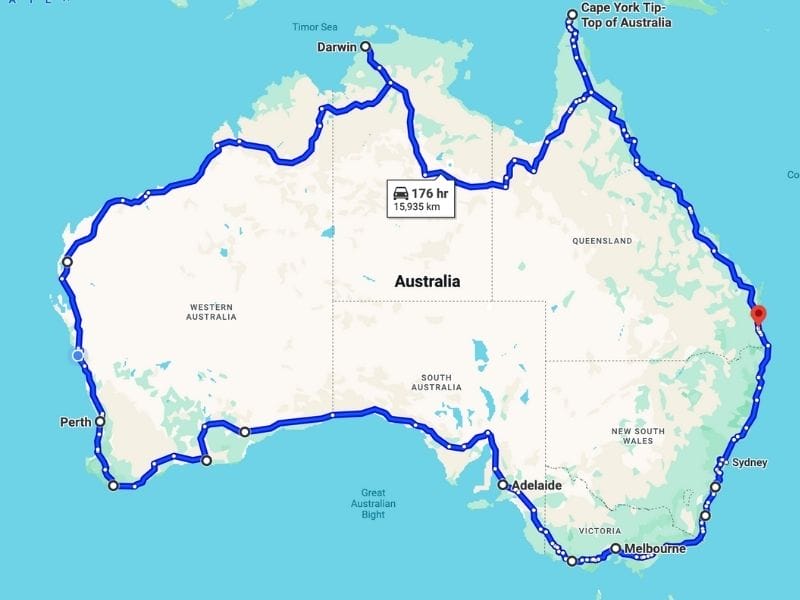
It’s the iconic road trip around the entire Australian continent. Usually more than 15,000 kilometres, depending on how many detours and bucket-list stops you make (and trust us, there will be plenty).
From the coastal beauty of the east to the red dirt of the Outback and the hidden corners of Western Australia, the Big Lap is about freedom, adventure, and slowing life down to a cruising pace.
How Long Does It Usually Take To Complete The Big Lap?
There’s no right answer, but most lappers allow 6 to 12 months. Three months is possible, but it can feel rushed. Especially with kids. The slower you go, the more you’ll see, connect and savour.
Consider exploring just one state if you only have 3 months. You’ll thank me later.
Take your time. You won’t regret it.
When’s The Best Time Of Year To Start The Big Lap?
If you’re heading north (Darwin, Broome, Cape York), aim to leave between April and September to avoid the tropical wet season and searing heat.
Starting in the south? You’ve got more flexibility, but still watch out for school holidays if you’re hoping for quieter spots. We always head inland when the school holidays are on. Just remember, they differ from state to state, we’ve been caught out a few times!
Route Planning & Logistics

Should I go clockwise or counterclockwise?
Most lappers go clockwise, especially from the East Coast. It’s easier to time the seasons that way.
But if you’re starting up north, a counterclockwise lap might help you dodge the hottest months. The real secret? Stay flexible. Weather, bushfires, roadworks and flat tyres all have their say too.
How far should we drive each day?
A good daily distance is around 200–300 km, enough to make progress without feeling like you’re in the car all day. Remember, the Big Lap isn’t a race.
What are the must-see detours or hidden gems?
Absolutely. Some of our favourites:
- Gibb River Road (WA) – rugged, raw, unforgettable
- Flinders Ranges (SA) – Outback scenery with soul
- Cape York (QLD) – the Top End’s true adventure
- Bungle Bungles (WA) – otherworldly and often missed
- Grampians (VIC) – dramatic cliffs, Aboriginal rock art
- Kakadu (NT) – history, crocs, and those sunsets…
These aren’t “just” detours — they’re often the bits people talk about the most afterwards.
Further Reading: Here's a complete step-by-step itinerary guide
Can I homeschool my kids while doing the Big Lap?
Yes, and many families do! It’s one of the most common questions we get from travelling parents. Depending on your home state, you can enrol your child in distance education or register for homeschooling. Some use workbooks and apps, others lean into roadschooling, learning through museums, wildlife parks, hikes and real-world maths at the servo.
It takes flexibility and patience (some days will be bumpy), but the payoff is huge: kids who learn resilience, adaptability and how to think outside a textbook.
We've dedicated a whole blog post to Homeschooling and Roadschooling - you can read it here.
Vehicle & Gear Choices
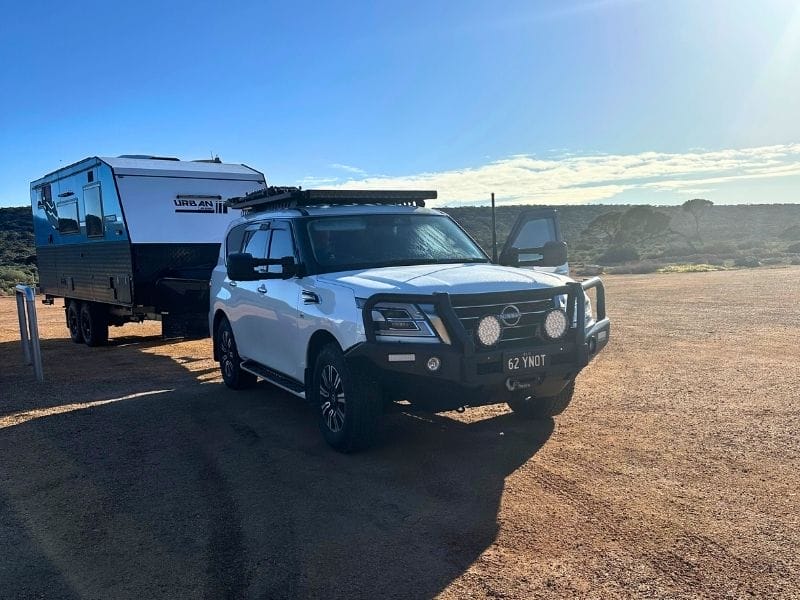
What kind of vehicle do I need?
If you’re planning to go off-road, a 4WD gives you the most flexibility. But many people happily complete the Lap in a 2WD, you’ll just need to stick to the bitumen and skip a few rougher spots.
A general rule? Let your planned route and comfort level guide your setup, not someone else’s Instagram feed.
Tent or campervan or caravan?
It comes down to budget and comfort:
- Tents and RTTs: Budget-friendly, flexible, but more set-up each night.
- Caravans/Motorhomes/Camper Trailers: Great for families or longer stays. You’ve got a bed, kitchen and shelter — rain, hail or shine.
If you’re travelling long-term or with kids, comfort counts more than you think.
Further Reading: Read our blog post about caravans vs motorhomes here
What gear should I bring?
- The largest battery and solar system you can afford
- Portable camping fridge/freezer
- First aid kit
- Recovery gear (shovel, traction boards, snatch straps)
- Navigation (offline maps, paper backups)
- Cooking gear that suits your style
- Water storage + purification tools, if needed
We’ve got a full downloadable checklist here if you want the whole shebang.
Safety & Emergencies
Is the Big Lap safe?
Generally, yes, we’ve had no problems since leaving in June 2023. However, the risks are real: vehicle breakdowns, wildlife, heat, and remoteness. Prep is key.
There are towns in Australia that some lappers stay clear of on their lap. We’ve have been to some of those towns and again, had no problems.
You just have to be sensible, and take the precautions that you would take in your hometown. And don’t expose yourself to the known problem spots at night.
Top safety tips:
- Always tell someone where you’re going or heading
- Carry extra water and food in remote areas
- Have a satellite phone or Starlink if heading off-grid
- Learn basic first aid — it buys you time when it counts
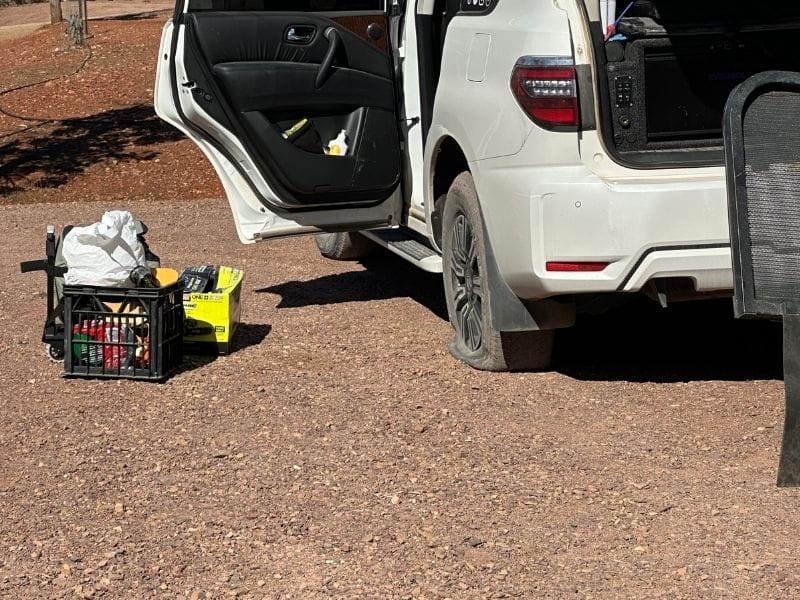
What if we break down in the middle of nowhere?
Stay calm. Stay with your vehicle; it’s easier to spot from the air. Conserve water, signal for help, and if you have comms, call for roadside assistance. Having EPIRB, PLB or sat-phone coverage can be life-saving, especially in remote WA, NT or SA.
Budget & Costs
How much does the Big Lap cost?
Most lappers spend between $20,000 and $40,000, depending on their travel style. Free camping, slow travel and cooking your own meals help bring that figure down.
What are the biggest expenses?
- Fuel
- Groceries
- Campground fees
- Maintenance and repairs
- Tours and national park entry
Have a contingency fund. Something will break; it’s just part of the journey.
Can I save money by cooking?
Yes, massively. Cooking on the road isn’t just cheaper, it’s part of the lifestyle. Think simple, hearty meals you can prep with limited gear.
We’ve even got a recipe book made just for this - you can grab it here
What should I do with my home and stuff while I’m travelling?
Some sell it all and hit the road with no fixed address. Others rent out their home (long-term or Airbnb-style) to fund the trip and keep a base to return to.
As for belongings? Many lappers downsize dramatically, it’s freeing! Sentimental or seasonal gear often ends up in storage units or at a family member’s place. Give yourself time to declutter. It’s part of the process.
Kev and I have been downsizing for years. From 2 x 4 bedroom homes, to a 2 bedroom apartment, to now only having 12 or so boxes in a storage room in our house.
Further Reading: Should you sell or rent your home before travelling around Australia
Accommodation Options
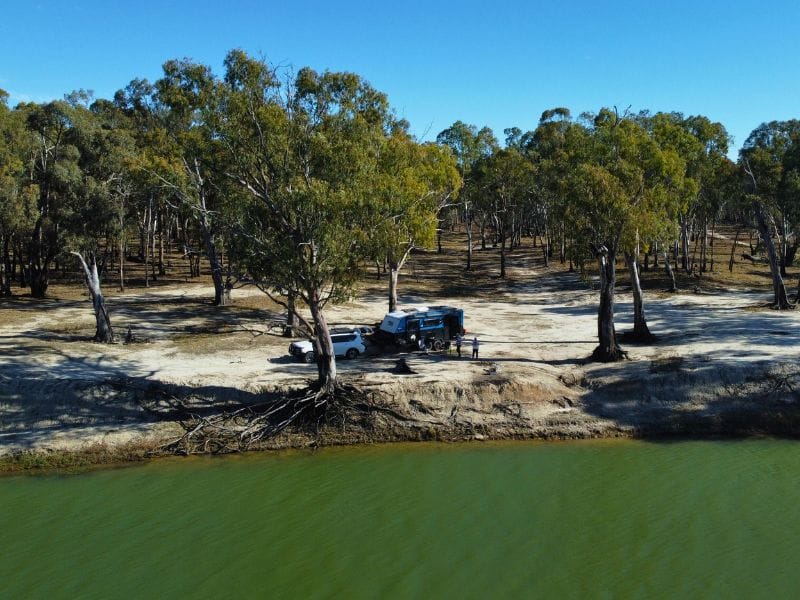
Can I free camp?
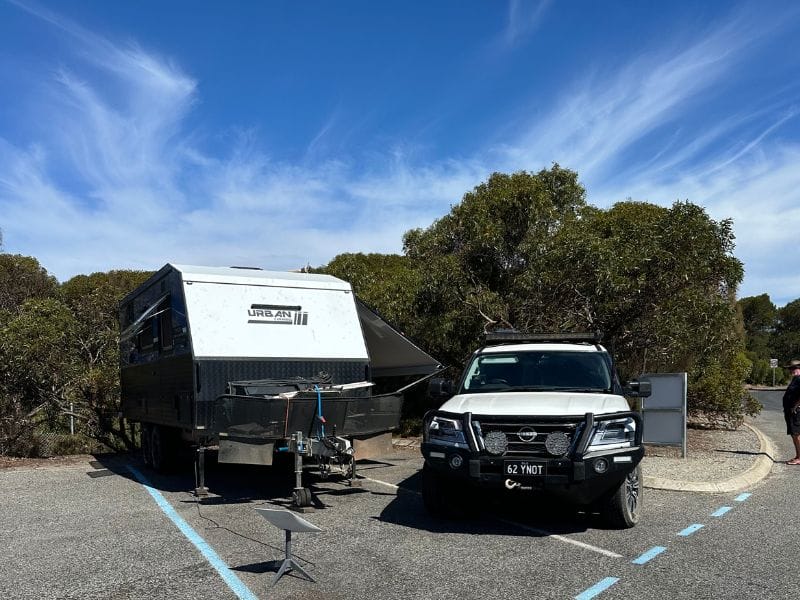
Yes, you can free camp, but only where it’s legal unless you like paying fines. Use WikiCamps or check council signage. And always follow the “leave no trace” rule. It’s the unsung hero of camping etiquette.
Are caravan parks family and pet-friendly?
Most are, but always check in advance. Some parks have water parks, games rooms, and even pet-sitting options, others are more basic. Read reviews to avoid surprises.
Travelling With Pets
Can I bring my dog or pet on the Big Lap?
Absolutely, plenty of travellers bring their dogs (and even cats, birds, guinea pigs – you name it). Just make sure to check pet-friendly stays in advance, avoid national parks where pets aren’t allowed, and plan for vet visits on the go.
Keep them cool, safe and comfy in your setup, and they’ll love the adventure as much as you do. A portable fence and collapsible bowls are worth their weight in gold.
I've even interviewed a lapping Vet and her family - listen in here.
Cultural & Environmental Respect
Many parts of your Big Lap will pass through Aboriginal Country. These are sacred places, with deep history and connection. Visit local cultural centres, take a guided tour, learn the stories. It adds layers of meaning to your trip and supports local communities.
How do I travel sustainably?
- Carry reusable everything
- Only use eco-friendly products
- Take rubbish with you (even when others haven’t)
- Avoid disturbing wildlife
- Use dump points for grey water and toilet cassettes
This land gives us so much. Let’s leave it better than we found it.
Connectivity & Navigation

Is there mobile coverage around Australia?
You’ll be surprised where you do get signal… and where you don’t. Telstra has the best regional coverage, followed by Optus. For full peace of mind, consider Starlink or a sat phone, as previously mentioned, especially if you’re working remotely or travelling solo.
What apps should I use?
- WikiCamps
- Hema Maps
- Google Maps (offline)
- Waze (for real-time alerts)
- Fuel Map Australia
And remember paper maps (we use Hema Maps and Atlases). They don’t care about whether you have a signal or not.
How do I stay connected for work or schooling while travelling?
For casual use, Telstra and Optus will cover most areas. But if you need solid connection for remote work or online schooling, you’ll want a Starlink system or a Cel-Fi signal booster with external antennas.
Remember: download shows, learning materials, or emails while you’re in town, reception drops (read non-existent) fast once you hit remote tracks.
What if I feel lonely or isolated on the road?
It’s more common than you think. Especially after the excitement wears off. But the road is full of people just like you, and community shows up in the most unexpected ways.
Chat to your neighbours at camp, join our Planning A Lap of Australia – Hints and Tips group or solo traveller groups, or stop for a yarn at the servo. You’ll often find that one shared sunset or roadside breakdown leads to lasting friendships.
Legal & Permits
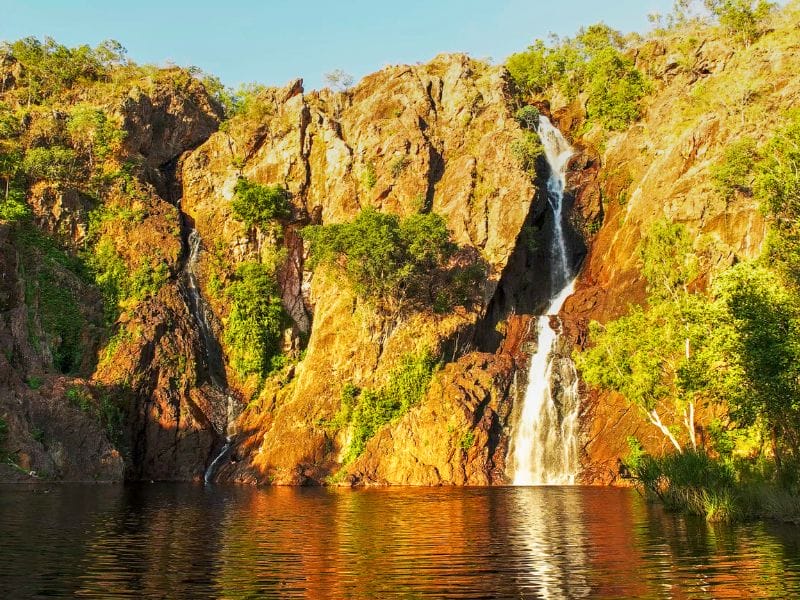
Do I need permits?
Yes, in some areas. You’ll need them for:
- Aboriginal lands
- Some national parks
- Fishing or firewood collection in certain states
Do your homework; fines are no fun.
Life After the Lap
What happens when it’s all over?
You’ll feel a mix of elation and grief. Re-entry to suburbia and routines can be tricky and that’s completely normal.
Here’s what we recommend:
- Service your vehicle
- Back up your photos
- Reflect — journal what you learned
- Stay connected with your road tribe
- And most importantly… start planning the next road trip or camping trip
Still Have Questions Or Feeling Overwhelmed Where And How To Start?

That’s exactly why I created my step-by-step Big Lap Planning Guide. So you can stop guessing and start getting excited.
Download it here and take the first step.
Final Thoughts
The Big Lap is more than a trip; it’s a reset, a reunion, a reminder of what matters most. It’s a chance to swap rush hour for sunsets, and daily grind for daily gratitude.
If it feels overwhelming — that’s normal. If you’re scared — that’s human. But this journey? It’s worth every kilometre.
Pin This

With years of experience travelling Australia in a caravan, I’m passionate about helping others embark on their own unforgettable adventures. From off-grid camping tips to expert advice on planning the ultimate big lap of Australia, I share stories, practical hacks, and inspiration to make your journey stress-free and exciting. Whether you’re a seasoned traveller or just starting out, join me as I explore the beauty of Australia, one road at a time!


As always, a very helpful article….thank you Annette.
My husband and I are getting ready to travel over East (across the Nullarbor) to assist our youngest son for a while. We will be based in ACT and do short trips into NSW & Vic before eventually travelling further afield as our son gets more independent. We will be living fulltime in our offroad caravan. This is not so much a Lap but rather our lifestyle (we’ve lived on the road and in a yacht before) so know what to expect. We are selling everything we don’t need and have no storage or home to return to – so it’s very freeing tbh.
I’m a real minimalist and we both understand how important traveling light is.
My one question I would like to ask is:
Do you (or other full-time caravan dwellers) actually use a caravan draught skirt that much?
I realise it gets windy a lot, but we are not travelling with pets or kids, plus will be moving around a lot and going off-grid often. I’d rather rough it and dress up warm around our portable fire-pit instead of bothering with a draught skirt for the caravan.
(we don’t have, and wouldn’t use, an annex at all either). I can’t be bothered with the extra work of getting it dry to stow it away before leaving a campsite.
So, in your opinion, is a draught skirt for the caravan a must have?
Thanks,
Jill
Hi Jill
Thanks for your feedback.
We thought a draft skirt was a “must” before we set off, so we had one made to fit our van. We haven’t used it once in almost two and a half years! So my answer is no I don’t consider one a “must-have.”
Thanks so much for your reply, Annette.
I’ve heard a few people say this now (while others swear by them).
Really appreciate you sharing your experience and opinion.
Blessings,
Jill