Homeschooling, roadschooling, unschooling, which one is best?
Thinking about doing or planning a Big Lap of Australia but worried about your kids’ education? You’re not alone! Many families hitting the road have one big question: Can we homeschool while travelling?
The answer? Absolutely! And the best part? Kids often learn more on the road than they ever would in a classroom. Whether you choose homeschooling, roadschooling, or unschooling.
Both my sons started school when we were travelling and I was very concerned about taking them out of school to travel. I needn’t have been as their teachers encouraged me by advising “not all education takes place behind a school desk in a classroom!”
This guide will walk you through everything you need to know to educate your kids while travelling Australia.
Homeschooling Roadschooling Unschooling: Which Is Best For Your Kids?

Homeschooling, Roadschooling, and Unschooling may sound similar, but they each offer a unique approach to education on the road.
Homeschooling follows a structured curriculum, similar to traditional schooling, with set lesson plans and assessments.
Roadschooling blends education with travel, using real-world experiences—like visiting historical sites, exploring national parks, and budgeting fuel costs—as hands-on learning opportunities.
Unschooling is the most flexible, allowing children to learn naturally through curiosity-driven experiences rather than formal lessons. Each method has its benefits, and many travelling families use a mix to create an education that fits their lifestyle.
Is Homeschooling While Travelling Australia Legal?
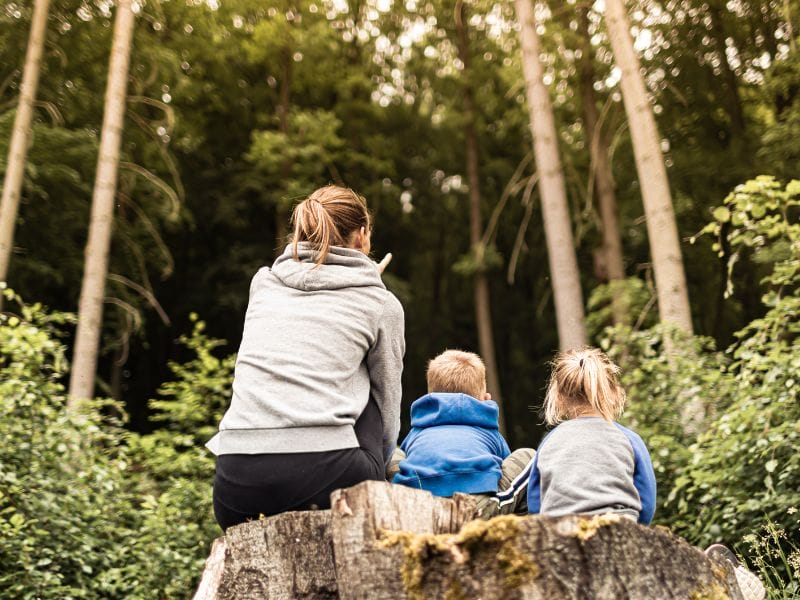
Yes! Homeschooling (or roadschooling) is completely legal in Australia, but there are some steps you’ll need to take before setting off. The first thing you need to do is register for homeschooling with the education department in your home state or territory.
How to Register for Homeschooling in Australia
Each state has different rules and requirements, but generally, you’ll need to:
✅ Submit an education plan covering core subjects like English, Maths, Science, and History.
✅ Show how you’ll assess your child’s progress.
✅ Provide learning records and progress updates (some states require yearly reports).
🔗 Find your state’s homeschooling guidelines here:
- NSW: NSW Education Standards Authority (NESA)
- VIC: Victorian Registration and Qualifications Authority (VRQA)
- QLD: Queensland Home Education Unit (HEU)
- WA: Western Australia Department of Education
- SA: South Australia Department for Education
- TAS: Tasmania Office of the Education Registrar
- ACT: ACT Education Directorate
- NT: Northern Territory Department of Education
TIP: If you’re unsure about what’s required, contact your state’s education department before you leave.
Choosing the Right Learning Approach for Your Family and Kids

There’s no “one size fits all” when it comes to homeschooling on the road. Some families and kids prefer a structured learning plan, while others take a flexible, hands-on approach. Here are the three main styles of learning you can choose from:
1. Traditional Homeschooling (Structured Learning Model)
If you want to stick closely to the Australian curriculum, you’ll need a structured approach. This is ideal for families and kids who like the structure and want a clear lesson plan and formal assessments.
Best Homeschooling Programs for Travelling Families:
- Euka Education – Full Australian curriculum for all year levels. Learn more
- Homeschool Academy Australia – Online learning with teacher support. Learn more
- Simply Homeschool – Structured, family-friendly curriculum. Learn more
- Australian Christian Home Schooling (ACHS) – Faith-based structured learning. Learn more
PROS:
✔ Follows a structured, familiar routine.
✔ Covers all required subjects.
✔ Makes transitioning back into traditional school easier.
CONS:
❌ Can be difficult to stick to a rigid schedule while travelling.
❌ Requires internet access for many online programs.
2. Roadschooling (Learning Through Travel & Experiences)

Roadschooling is learning from the world around you—and what better classroom than the Australian Outback, rainforest, and coastline?
🌏 How to Roadschool Your Kids on the Big Lap:
🚗 Geography & History: Visit Indigenous cultural sites, old gold rush towns, and historical landmarks.
🐨 Science: Learn about Australia’s unique ecosystems—reef snorkelling, national parks, and wildlife conservation projects.
📖 English: Keep journals, blogs, and travel scrapbooks to develop writing skills.
💰 Maths: Budgeting fuel, track travel distances, and cook using measurements.
PROS:
✔ Kids engage in real-world learning.
✔ Less pressure to follow a strict schedule.
✔ Encourages independence and curiosity.
CONS:
❌ Some states require more structured record-keeping.
❌ Might need extra planning to cover all subjects.
3. Unschooling (Child-Led Learning)

Unschooling takes roadschooling to the next level—kids learn what interests them, when it interests them. Instead of set lessons, they explore topics through hands-on experiences, books, and everyday life.
🌿 Examples of Unschooling on the Road:
- Kids obsessed with space? Visit an observatory. 🔭
- Love animals? Volunteer at a wildlife sanctuary or visit a farmstay. 🦘
- Passion for history? Explore old ghost towns and Indigenous heritage sites. 🏺
PROS:
✔ No stress over lesson plans.
✔ Encourages kids to follow their passions.
✔ Fits seamlessly into a travel lifestyle.
CONS:
❌ May not suit kids who need structure.
❌ Harder to track learning progress for state requirements.
How to Keep Kids Social While Homeschooling on the Road
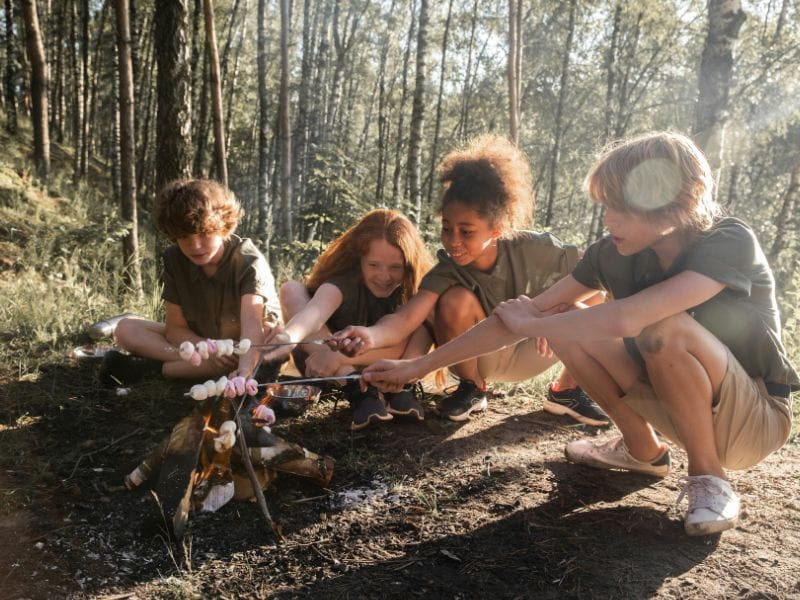
One of the biggest concerns for travelling families is how their kids will make friends. The good news? There are heaps of ways to keep kids socially active!
🤝 Join caravanning family groups – Facebook groups like Caravanning with Kids organise meet-ups.
🏕️ Stay at family-friendly caravan parks – Big4 and Discovery Parks often have activities for kids.
📲 Use online learning groups – Programs like Outschool offer live, interactive classes.
🎭 Attend local events – Libraries, museums, and sports clubs often welcome travelling families.
Keeping Learning Records & Reporting Progress
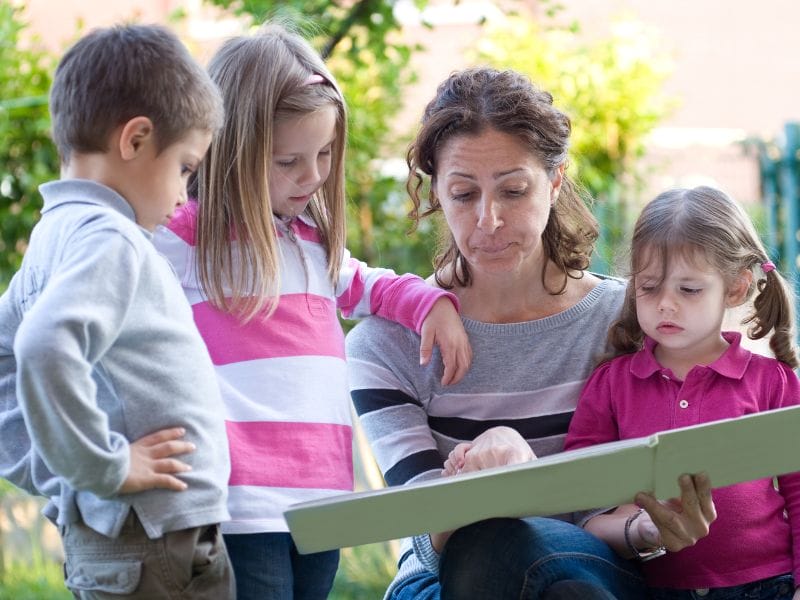
Some states require record-keeping and progress reports, but this doesn’t have to be complicated!
📅 Easy ways to track learning:
📝 Keep a weekly learning journal.
📷 Take photos & videos of hands-on learning.
📑 Save work samples (essays, drawings, projects).
As long as you can show your child is engaged and progressing, you’ll meet state requirements!
Final Thoughts: Can You REALLY Homeschool While Travelling?
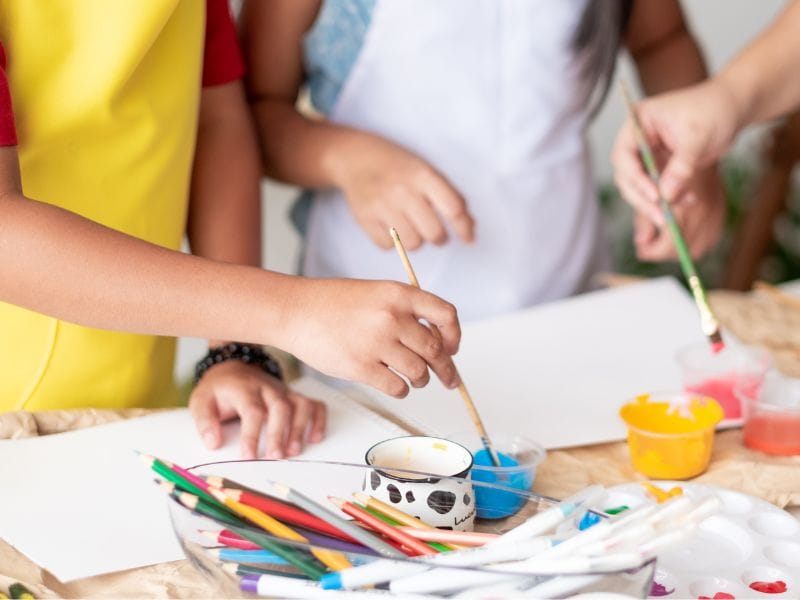
YES! Homeschooling on the road is not only possible—it’s an incredible opportunity for your kids to learn in a way they never could in a classroom.
By choosing a mix of structured learning, roadschooling, and real-world experiences, you can create an education that’s flexible, engaging, and unforgettable.
🚐 Have you homeschooled while travelling? What worked best for your family and kids? Drop your tips in the comments!
Pin This

With years of experience travelling Australia in a caravan, I’m passionate about helping others embark on their own unforgettable adventures. From off-grid camping tips to expert advice on planning the ultimate big lap of Australia, I share stories, practical hacks, and inspiration to make your journey stress-free and exciting. Whether you’re a seasoned traveller or just starting out, join me as I explore the beauty of Australia, one road at a time!