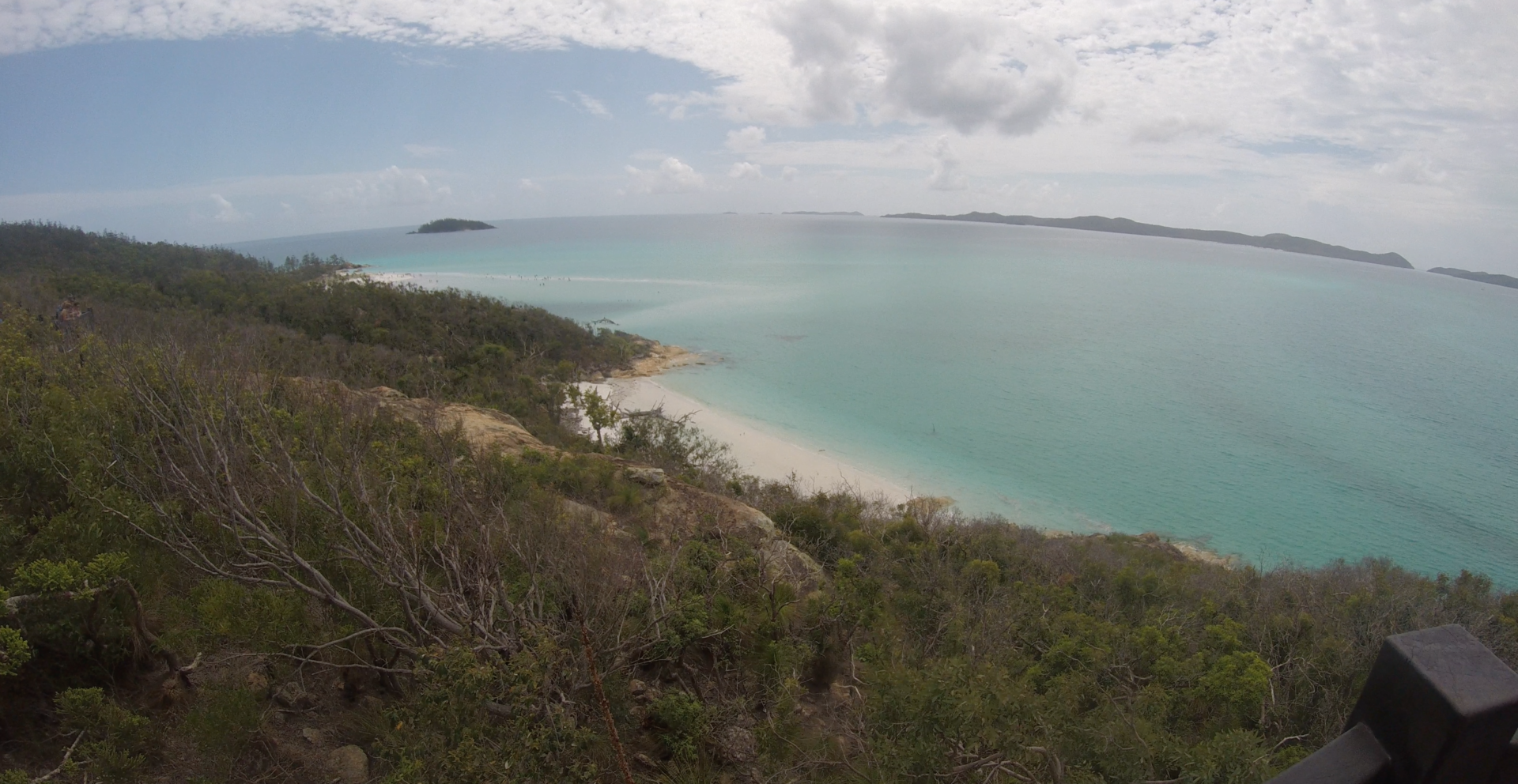
This post provides information to help you with your upcoming Cape York trip. It includes suggested places to camp on the way to Cape York, what to see and do along the Peninsula Development Road (PDR), and information about the Cape York area.
Also included are hints and preparation tips so you and your gear arrive and return in one piece.
We didn’t do the Telegraph Track, so we haven’t included any information about the Tele track. Instead, we took the PDR bypass, which is just a continuation of the PDR.
We towed our off-road caravan with our Y62 Patrol to Cape York and back. In the Cape region, we saw various setups, including off-road caravans, camper trailers, motorhomes, roof-top tents, swags, tents and motorbikes. Cars ranged from 4WD wagons and utes to 4WD trucks, 4WD vans, 2WD vans, and even 2WD sedans.
Not everyone wants to tow their van to the Cape and back. Some travellers store their vans at the many campgrounds or stations along the PDR. However, we bought an off-road van to take off-road, so our Cape trip was the first off-road trip that we’d made.
Preparation is king if you are on the fence about taking your van. Let your tyres down on your 4WD,
Preferring a hard copy of a map, we used Hema’s Cape York map for our trip. We also carry Hema’s Australia & 4WD Atlas.
Lakeland To Cape York Trip

You’ll start your journey at Lakeland, the Gateway to Cape York. Walking around and learning about the area’s history is worth a stop. It’s a popular spot for everyone heading to Cape York.
The photo above was taken at a service station opposite Lakeland. It’s the last reasonably priced fuel, so I recommend you either fill up or top up there.
Hann River Roadhouse

Hann River Roadhouse has a good campground, and when we stayed, there were a few animals (baby goats) there. They also have a cafe that is open for dinner.
The bitumen finishes, and the red dirt starts north of Hann River Roadhouse.
Welcome to the bone-jarring, teeth-rattling PDR – Peninsula Development Road! Strap in, tighten those bra straps and enjoy one of the best Aussie road trips!
Musgrave Roadhouse

Musgrave Roadhouse has a freshwater crocodile attraction and some history. It’s good for an overnight stay, and meals are available if you don’t feel like cooking. We stayed at Musgrave on our way back down.

I had an online Zoom appointment when the croc feeding occurred, but Kev went and enjoyed it.
Coen

Coen has the Sexchange pub, great food, and historical attractions across the road.
Coen has two petrol stations, one heading north and one heading south. We filled up at the station heading south.
Just north of Coen, on the right, is a great free camping area at The Bend.
Archer River Roadhouse
Archer River Roadhouse has a sizeable park-anywhere campground. It also has a bar, and the food is reported to be good.
When we went through Archer River, the bridge was under construction. It was very noisy (as you would expect) during the day, but it was okay at night. The workers worked twelve-hour days from 6 a.m. to 6 p.m.
There’s a small Free Camp on the north side of the bridge on the right. Beware—the sand is very soft. Yes, we know this from a first-hand experience!
Chilli Beach
The turn-off to Chilli Beach Campground is north of Archer. Although it can be windy on Chilli Beach, the views are stunning.
Lochardt
Lockhart has several attractions—WWII was in that area, and the beaches are spectacular. Iron Ranges have lime-green pythons, Cuscus (a possum species), and beautiful birdlife. You can camp in the area, too.
Bramwell Station

Bramwell Station has an excellent flat Campground. There is no need to book, as you can roll in and set up camp. They have nightly dinner and entertainment, but you must book it in advance as it is popular.
We found the worst corrugated road south and north of Bramwell when we headed north and south to Cape York. But that could be different when you drive the road. We stayed at Bramwell, heading north and south.
Bramwell Junction
North of Bramwell Station is Bramwell Junction, which has a campground and food. You can also fuel up there. This is the next place we filled up. To pay, you take a photo with your phone of the petrol bowser showing how many litres and the price, and then show it to the cashier. Fuel was $2.70/litre when we filled up.
Captain Billy Landing
Captain Billy Landing is worth a visit to camp or do a day trip, and the bookings are made through Queensland National Parks.
Fruit Bat Falls, Eliot Falls and Twin Falls

Fruit Bat Falls, Eliot Falls, and Twin Falls are stunning. We only spent a few hours there, but if we visit again, I’d make a day of it and take lunch. We visited the falls on our way back down from the Cape, unhitched the van, and drove in.
The water temperature was perfect for cooling off and swimming, and as you can see in the photo above, it was lovely and clear.

You can camp at Elliot; again, bookings are through Queensland National Parks. It’s a pretty gnarly track with some deep ruts into the falls. You can’t tow a large off-road van; you can pull a smaller hybrid van or camper trailer. You could also drive further down and free camp at Canal Creek.
Once back on the PDR, the Jardine River Ferry is next. Try to get there before noon, as noon is lunchtime. We arrived at five minutes to twelve, and they were closed for 45 minutes. There was quite a queue to cross by the time they re-opened.

If you are too late for the ferry, the ferry crossing also has a Campground right next to it along the Jardine. There are also amenities there.
The ferry takes one 4WD and
Once you cross the Jardine, it’s only around an hour’s drive, and you’ll reach Bamaga. Parts of the road were very corrugated towards the bitumen end.
The roads are mainly bitumen between the townships in the Cape York region.
Alua Campground

Umagico township has the Alua Campground. It is right on the beach and also has a pool. It’s a pretty area with some beach-front sites. As you can imagine, they are very popular, so you may have to book in advance depending on the time of year you visit.
Loyalty Beach

We stayed at Loyalty Beach Campground. It’s a large campground right on the beach and is fantastic for sunsets. They have a cafe of sorts and also have fish and chip night on Sunday. Wild horses visit daily; more about the horses further down.
When you arrive you are given a map and shown where you are permitted to camp, depending on your set up. On the left of the entry, the front row of the campground is reserved for RTTs and tents. The second, third and fouth rows are for camper trailer and caravans. To the right of the entry are for swags, tents and RTTs.
Seisa Campground
Another large campground is Seisia Campground. Our friends camped there in the overflow section and reported it was pretty good.
Seisia Wharf is just around the corner from the Seisa Campground, where you can catch Peddell’s ferry to Thursday Island for the day. We did the day trip to TI and highly recommend it.
World War Two Plane Wrecks

There are 3 WWII Plane wrecks in the Bamaga area, which are well worth visiting.
The Trip To The Tip To See the Sign

Travel on Pajinka Rd and stop at The Croc Tent for your merch. You can buy everything there, including postcards, T-shirts, fishing shirts, maps, and stubby coolers.
After the Croc Tent, keep driving north. You’ll drive through a beautiful rainforest, which I didn’t expect. There is a small carpark at the tip and some portable dunnies. I didn’t use them as most people opened the doors and quickly shut them!
Depending on the tide, you can walk to the tip from the beach area and then across some rocks. The day we went to the Tip, We Did both. We climbed over and down the rocks to reach the Tip and then crossed the rocks and over the beach back to the car park.

I’d recommend wearing at least some runners, as the rocks are rough and uneven in spots. That said, we wore pluggers and had no problems with slipping. I was pretty cautious, though, and took my time.
Once you are at the sign, there is a great atmosphere. People from all walks celebrate and tick this big, hairy goal off their bucket lists. Take your time, soak it all in, and enjoy the moment; you made it!

Don’t worry about who will take your photo or video. We found that people are very keen to help. Usually, the group in front of you who just had their happy snaps taken will help you take your photos.
After visiting the Tip and heading south, you can turn to the left to visit Somerset. At Fly Point, visit the old Jardine airport. There are historical graves to see and five beaches.
Punsand Bay

Back at the Croc Tent, instead of heading north to the Tip, turn off to the left at the Croc Tent and drive to Punsand Bay; you’ll see the signpost.
Some say it’s a ‘must-do,’ but others won’t agree. We think it’s worth visiting, and if you can camp there, that would be even better. We didn’t camp there because it was booked for two weeks. The Corrugation Bar area’s entertainment/food/bar has a resort feel. We found it had good food but small portions.
Heading South From Cape York

Weipa is a must-see and stay. The

The Weipa Region
We visited Weipa on the way back and loved it. Take the Batavia Downs Road; it’s known as a shortcut and will cut hours off your trip. It’s a great dirt road – better than some parts of the Bruce Highway (although that’s not hard!).
Pennefather
Another beautiful place to camp is the Pennefather Free Camp, North of Weipa. The sandy roads to get there are very soft. Although it’s a free camp, you must buy a permit before you go, and you can get one at the Weipa Campground.
Mappoon
Mapoon was an old mission established by the Presbyterian Church. It has a lot of history; you can read about it here.
Preparation For Your Cape York Trip

Preparation to visit Cape York involves two areas: your tow vehicle and
4WD Preparation
Following is an essential list for your rig’s prep before heading to Cape York. If you are a keen off-roader, you’ll have your version, plus the tools, bits, and pieces that suit your rig. Most of the prep for the trip is common sense; however, I’ve included it anyway:
- Take recovery tracks
- Take a tyre repair kit
- Have your rig serviced
- Check the tyre wear and tear
- Check the suspension and brakes
- If you don’t have a winch, have one fitted
- If you are doing the Tele Track, check your winch
- If you don’t have a UHF radio, have one installed or at the least get a hand-held one
Caravan Preparation
These are the things to consider for your
Outside Your Caravan
- Check the wheel bearings
- Check the tyre wear and tear
- Silicone any holes around plumbing pipes
- If you don’t have dust suppression, tape the external vents
- If there is no under-body armour under your van, use hollow pool noodles to protect plumbing pipes
Inside Your Caravan
- Pre-cook some meals and cryovac them
- Buy fresh meat and chicken and cryovac them
- Stock up on your favourite food and drink (i.e. specialty milks)
- Stow and secure everything that moves, including hand wash
- If you use light-coloured sheets and doona, change them for darker sheets
- Secure your fridge and freezer doors with permanent clips or 1000-mile-an-hour tape
Hints and Tips for Visiting Cape York and the Bamaga Region
- Let your tyres down on your rig and van and drive to the conditions.
- SLOW DOWN when you see signs for Dips and Floodways; they often have bulldust holes before them
- Bulldust holes can be anywhere along the road
- Drive in the table drains when the corrugations are too much
- Corrugations are often too much!
- If a grader has just graded the road, the corrugations will barely exist, and you’ll wonder what everyone is talking about
- You’ll often wish the grader had been through the day before
- Red dirt stains everything, and you’ll find it for months afterwards
- You don’t need to book the Jardine Ferry, roll up
- Despite the petrol bowsers, there is no fuel at the Jardine Ferry
- There are only three petrol stations – Injinoo, Bamaga and Seisa
- There are only three supermarkets – Seisia, Bamaga and Umagico
- There are only a few takeaway places, and they close early; we didn’t use any as we took food with us
- The chemist isn’t open on the weekends
- The Bamaga Pub is the only one up there
- The Pub is CLOSED on Sundays
- The Pub has a drive-through
- There are limits on the amount of alcohol you can take on the north side of the Jardine River, click here to read about it
- The best time to visit Cape York is in the dry season from May to October. The temperatures are beautiful as it is a dry heat
- The busiest times at Cape York are between June and September
- You’ll see wild horses everywhere. It’s not advisable to pat them as some can be aggressive. We saw them often through the park at Loyalty Beach. They know how to knock over wheelie bins to get to the food scraps
- There are lots of green ants on the trees, so be careful where you camp and look before you touch a tree
- We both have Telstra, but it only worked when we were in towns.
- We use Starlink, and it worked brilliantly everywhere we camped
- Lock up your valuables, especially in RTTs and Tents. Camping tables and chairs are ok to leave out at night
Final Thoughts
You can spend as little or as much time travelling from Lakeland and back on your Cape York trip. We were on the move daily with only 1-night stops until we reached Loyalty Beach. We spent seven nights at Loyalty to explore the Cape York region.
I would stay longer if we were to do another Cape York trip.
Enjoy your Cape York trip. Remember to take it easy and enjoy the journey; it’s as exciting as the destination.

With years of experience travelling Australia in a caravan, I’m passionate about helping others embark on their own unforgettable adventures. From off-grid camping tips to expert advice on planning the ultimate big lap of Australia, I share stories, practical hacks, and inspiration to make your journey stress-free and exciting. Whether you’re a seasoned traveller or just starting out, join me as I explore the beauty of Australia, one road at a time!