Buying a caravan is a huge decision. It’s not just a van; it’s a home on wheels. I remember the excitement and nerves I felt when we bought our caravan. There were so many options and so much to consider. Let me break it down for you in simple terms.
1. Understanding Your Needs
First things first, think about why you want to buy a caravan. Are you planning short weekend trips or a big lap adventure around Australia? Your travel style will determine the type of
2. Types of Caravans
There are different types of caravans, each with its pros and cons. A traditional
We went with a traditional
1. Traditional Caravans: These are the most common types you’ll see on the road. They come in various sizes, from compact models to large family-sized ones.
Traditional caravans offer a good balance of space and comfort, making them a popular choice for families and long-term travellers. You get separate living and sleeping areas, a decent-sized kitchen, and often a full bathroom.
However, they can be heavier and more challenging to tow.
2. Pop-Top Caravans: These have a roof that can be raised or lowered, making them easier to store and more aerodynamic when towing.
They are lighter than traditional caravans but offer less headroom and storage space. Pop-tops are great if you have limited storage space at home or want something that is easy to tow and set up.
3. Camper Trailers: While technically they are not a
They often require some assembly at the campsite, such as setting up the tent portion. Camper trailers are great for those who want a more rugged camping experience and plan to travel off the beaten path. They are more affordable but offer less comfort and amenities.
4. Motorhomes: If you prefer not to tow, a motorhome might be the way to go. These are self-contained vehicles that combine a car and
Unless you tow a small car or have bikes to get around, Motorhomes can be inconvenient as you have to pack everything away if you want to go out for the day.
5. Fifth-Wheelers: These are the largest and most luxurious caravans, towed using a special hitch mounted in the bed of a ute. Fifth-wheelers offer a huge amount of living space and high-end amenities. However, they require a suitable towing vehicle and are not as easy to manoeuvre.
3. Your Caravan Budget

Set a budget and stick to it. It’s easy to get carried away with all the fancy features, but remember, you don’t want to be paying off your
When setting your budget, don’t forget to account for ongoing costs. These include:
Insurance: Caravans need to be insured, just like your car. Shop around for the best rates and make sure you’re covered for all eventualities, including theft, damage, and liability.
Maintenance and Repairs: Like any vehicle, caravans require regular maintenance. This can include everything from checking the brakes and tyres to servicing the appliances. Budget for both routine maintenance and unexpected repairs.
Storage: If you’re not living in your
Fuel Costs: Towing a
Campsite Fees: While there are plenty of free campsites around Australia, you’ll likely stay at paid sites occasionally. Budget for these costs, especially if you want access to facilities like power, water, and showers.
4. Features to Look For in a Caravan
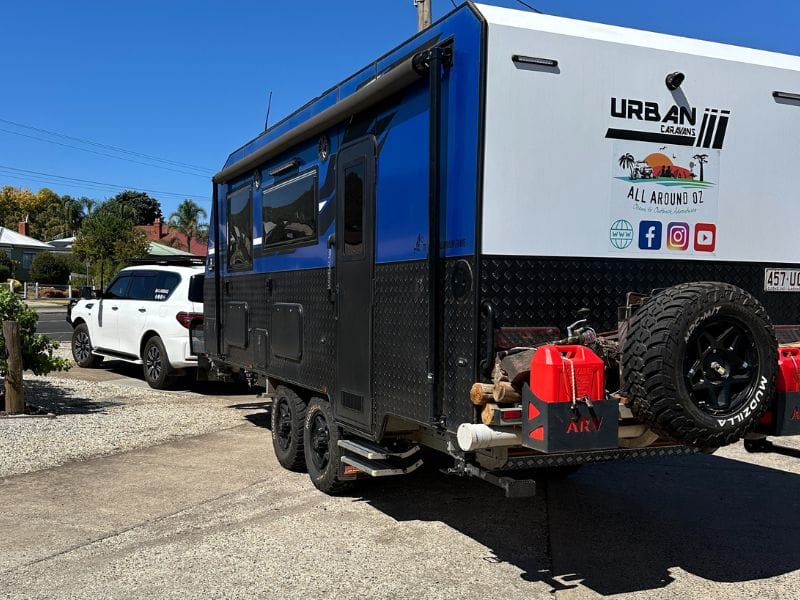
Make a list of the features that are important to you. For us, a comfortable bed, a decent kitchen and pantry and a composting toilet were non-negotiables.
Think about storage space, bathroom facilities, and ease of set up.
Also, consider the weight and how it will impact your towing vehicle. I can’t stress enough how important it is to match your
1. Sleeping Arrangements: The bed is one of the most critical aspects of a
2. Kitchen Facilities: A well-equipped kitchen can make life on the road much more comfortable. Look for a
3. Bathroom: Not all caravans have a bathroom, but having one can be a game-changer, especially if you plan to stay in remote areas. Look for a
4. Storage Space: You’ll need plenty of storage for clothes, food, and camping gear. Check for cupboards, under-bed storage, and external lockers. Make sure the storage spaces are easily accessible.
5. Comfort and Entertainment: Consider features like air conditioning, heating, and entertainment systems. A comfortable
6. Build Quality: Inspect the
5. Where to Buy A Caravan
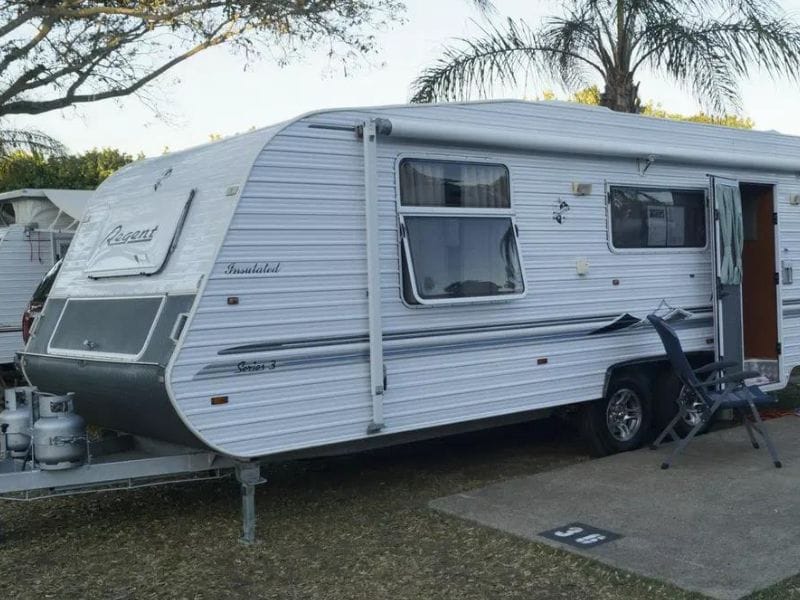
There are several places to buy a
1. Dealerships: Buying from a dealership offers several advantages. You can compare different models side by side, and get expert advice. Dealerships often provide warranties and after-sales service, giving you peace of mind. However, you might pay a premium for these benefits.
2. Private Sellers: Buying from a private seller can save you money but comes with more risks. You won’t get a warranty and must be confident that you can inspect the
Click here to read our post about buying a secondhand caravan.
3. Online Marketplaces: Websites like
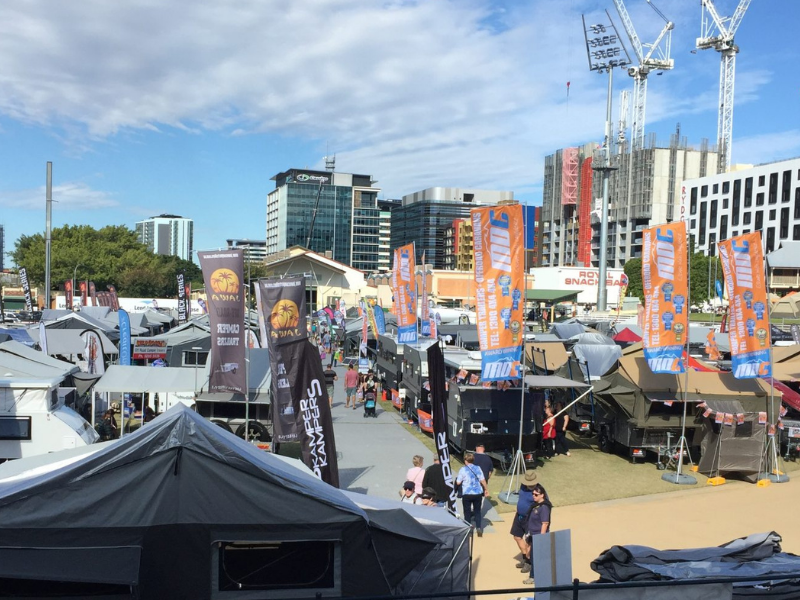
4. Caravan Shows:
We started our research at a
These events are usually held annually in major cities across Australia.
6. Inspections and Test Drives

Never buy a
Check for any signs of wear and tear, water damage, or rust. If possible, take it for a test drive. This will give you a feel for how it handles and if there are any issues. Caravans can look perfect online but could have a leaky roof. Always inspect!
1. Exterior Inspection: Look for any signs of damage, such as dents, scratches, or rust. Check the tyres’ condition and make sure the lights and indicators work. Inspect the roof for leaks and the undercarriage for rust or damage.
2. Interior Inspection: Check the condition of the furnishings, flooring, and walls. Look for signs of water damage, such as stains or soft spots. Test all the appliances, including the fridge, stove, and air conditioning, to make sure they’re working.
3. Plumbing and Electrical: Make sure the plumbing system is in good condition. Test the taps, shower, and toilet. Check the water heater and water pump. Inspect the electrical system, including the battery, power points, and lighting. Ensure the
4. Towing and Manoeuvring: If possible, take the
7. Paperwork and Legalities
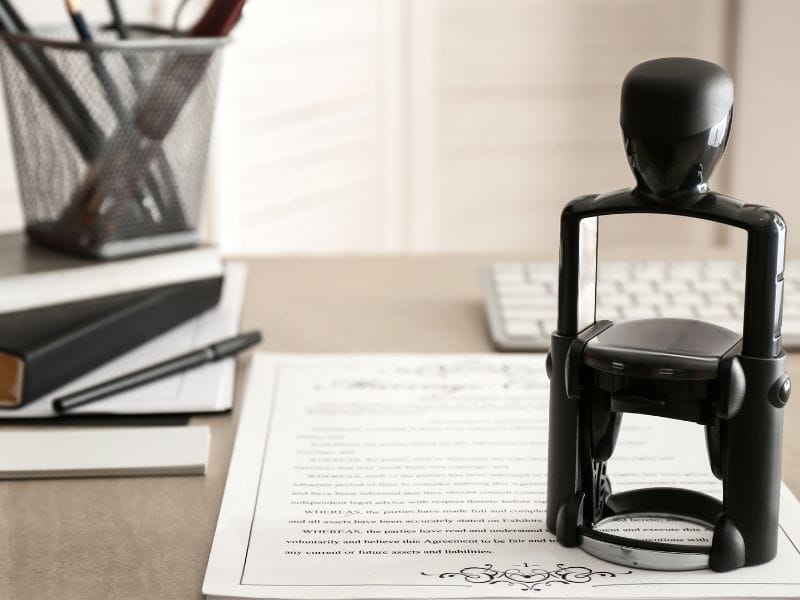
Ensure all the paperwork is in order. This includes registration, insurance, and any warranties.
Also, know the legal requirements for towing a
I spent a few hours making sure all our documents were sorted before hitting the road. I scanned them and I keep them in the cloud should we need them.
1. Registration: Caravans must be registered with your state or territory’s transport authority. This involves paying a registration fee and getting a number plate. Make sure the registration is current and transfer it to your name upon purchase.
2. Insurance:
3. Roadworthiness: Some states require a roadworthy certificate for caravans, especially when transferring ownership. This ensures the
4. Towing Regulations: Make sure you understand the towing regulations in Australia. This includes knowing your vehicle’s towing capacity, using the correct towing equipment, and adhering to speed limits and other road rules. It’s a good idea to take a towing course if you’re new to towing a
8. Personal Touches
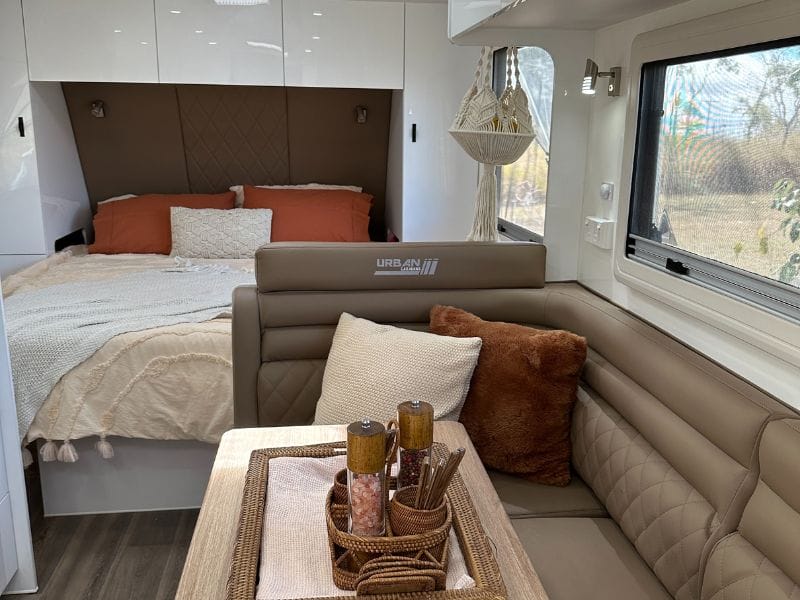
Once you’ve bought your
1. Decorating: Add your personal style with cushions, throws, and rugs. Choose colours and patterns that make you happy. I found that neutral colours made our
2. Storage Solutions: Maximise your storage space with clever solutions like hanging organisers, collapsible containers, and under-bed storage. Keep everything organised and easy to access.
3. Comfort Items: Remember to pack your
4. Outdoor Setup: Create a comfortable outdoor space with a good-quality awning, camping chairs and tables, and lighting. We love sitting outside in the evening with a good campfire and glass of wine, enjoying the stars.
5. Tech and Entertainment: Set up a good entertainment system with a TV, sound system, and internet connectivity. A portable BBQ and outdoor cooking equipment can also enhance your experience.
6. Personal Touches: Add personal items like family photos, travel souvenirs, and favourite books. These items can make your
Final Thoughts
Buying a
Happy travels and caravanning Australia!
Pin This


With years of experience travelling Australia in a caravan, I’m passionate about helping others embark on their own unforgettable adventures. From off-grid camping tips to expert advice on planning the ultimate big lap of Australia, I share stories, practical hacks, and inspiration to make your journey stress-free and exciting. Whether you’re a seasoned traveller or just starting out, join me as I explore the beauty of Australia, one road at a time!