Have you ever felt the frustration of a caravan trip not going as planned?
Imagine setting off on what you thought would be a relaxing adventure, only to find yourself dealing with avoidable hiccups that turn your dream getaway into a series of stressful moments.
Whether you’re a seasoned traveller or a newbie, we’ve all been there. The good news is that most of these common pitfalls can be easily avoided with some knowledge and preparation.
In this article, we’ll dive into the biggest mistakes people make when caravanning and, more importantly, how you can steer clear of them.
We’ll cover everything from skipping crucial pre-trip checks to overlooking the importance of weight limits. So, buckle up and get ready to transform your caravanning experience from chaotic to carefree.
By the end of this read, you’ll be equipped with practical tips and insights that will save you time and money and ensure that every trip you take is a roaring success.
Let’s get started and make sure your next
1. Skipping the Pre-Trip Check

Fail to Plan, Plan to Fail
One of a caravanners’ most common mistakes is skipping the all-important pre-trip check.
It might seem tedious, especially when the open road calls, but overlooking this step can lead to significant problems later on.
Imagine the disappointment of discovering a flat tyre miles away from the nearest service station or realising that your lights aren’t working just as the sun sets.
The Importance of a Thorough Pre-Trip Check
Conducting a thorough pre-trip check ensures that your
Key areas to focus on include:
- Tyres: Check for wear and tear, ensure they are properly inflated, and inspect the spare tyre.
- Lights: Test all lights, including indicators, brake lights, and interior lights.
- Brakes: Make sure the brakes are functioning correctly.
- Towing Equipment: Inspect the tow hitch, safety chains, and towing mirrors.
- Fluid Levels: Check the levels of engine oil, coolant, brake fluid, and windscreen washer fluid.
- Battery: Ensure the battery is fully charged and in good condition.
- Gas and Water Systems: Verify that gas bottles are full and secure, and check the water tank levels.
Tip: Create a Checklist
Create a pre-trip checklist to make this process easier and ensure nothing is missed. Having a list to refer to can save you from last-minute panics and potential oversights. Here’s a quick example to get you started:
Pre-Trip Checklist:
- Inspect tyres and check pressure
- Test all lights and indicators
- Verify brake functionality
- Check tow hitch and safety chains
- Inspect towing mirrors
- Top up all fluid levels
- Verify gas bottles are full and secure
- Check water tank levels
Taking the time to perform a detailed pre-trip check can mean the difference between a smooth journey and a stressful ordeal. By being proactive and thorough, you’ll set off with peace of mind, ready to enjoy your adventure without unexpected disruptions.
2. Overpacking or Underpacking

Finding the Perfect Balance
Packing for a
The Dilemma of Packing Too Much or Too Little
Overpacking consumes valuable space and can negatively impact your caravan’s weight and handling. An overloaded
On the other hand, underpacking can leave you without important items, forcing you to make inconvenient and sometimes costly pit stops.
To avoid these scenarios, it’s essential to pack smartly, prioritising essentials while leaving out the non-essentials. Remember, every item you bring should have a purpose and ideally serve multiple functions.
Tip: Essentials List and Space-Saving Packing Hacks
Creating an essentials list tailored to your specific needs and the length of your trip can be a game-changer. Here’s a basic list to get you started:
Essentials List:
- Clothing: Pack versatile clothing that can be layered and suitable for different weather conditions.
- Personal Care Items: Toiletries, medications, first-aid kit.
- Kitchen Supplies: Basic cooking utensils, portable stove, pots and pans, cutlery, non-perishable food items.
- Camping Gear: Sleeping bags, camping chairs, portable table.
- Entertainment: Books, games, outdoor equipment (bikes, fishing gear).
Space-Saving Packing Hacks:
- Utilise Packing Cubes: These help keep clothing organised and compact.
- Collapsible Containers: Save space in the kitchen with collapsible bowls and containers.
- Multi-Use Items: Opt for items that can serve multiple purposes, such as a pot that can also be used as a mixing bowl.
- Vacuum Bags: These can significantly reduce the volume of bulky items like jackets and bedding.
- Efficient Storage Solutions: Use under-bed caravan storage and vertical space to keep your living area uncluttered.
Packing smartly ensures you have everything you need without overloading your
3. Ignoring Weight Limits
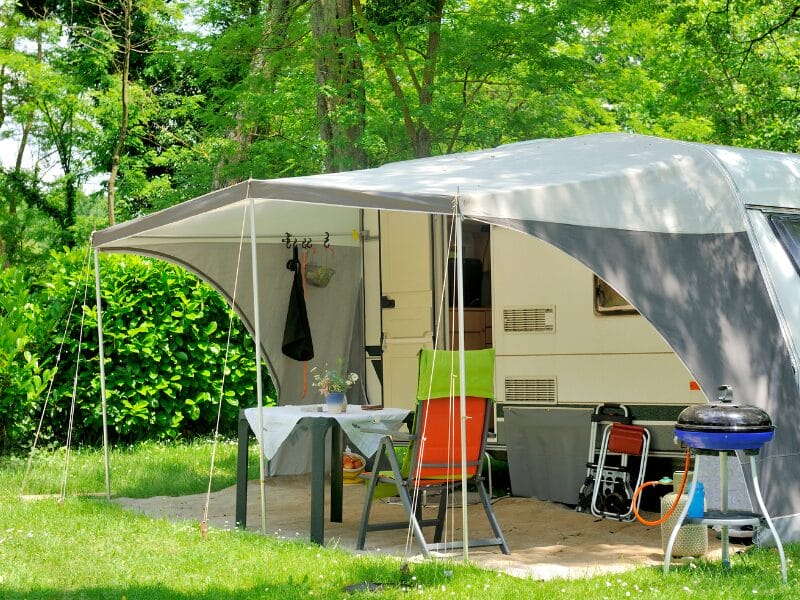
Don’t Overload Your Home on Wheels
One of the most critical aspects of caravanning is understanding and adhering to weight limits. Overloading your
The Significance of Adhering to Weight Limits
Every
Exceeding these limits can lead to dangerous driving conditions, such as reduced braking efficiency, increased sway, and potential tyre blowouts. Moreover, travelling with an overloaded
Ensuring you stay within the recommended weight limits is not just about compliance but about protecting yourself, your passengers, and others on the road.
Tip: How to Weigh Your Caravan and Manage Load Distribution
Understanding how to weigh your caravan and distribute the load evenly is essential for maintaining safe driving conditions. Here are some practical steps to help you manage this effectively:
1. Weigh Your
- Public Weighbridges: Visit a public weighbridge to get an accurate reading of your
caravan ’s weight. These are often found at truck stops or waste disposal centres. - Mobile Weighing Services: There are businesses that will come to you to weigh your van and rig
2. Calculate Your Payload:
- Know Your Limits: Check the manufacturer’s specifications for the tare weight and the maximum allowable payload.
- Track Your Load: Keep a list of the weight of all items you pack. Remember to include water, gas, and personal belongings.
3. Manage Load Distribution:
- Even Weight Distribution: Distribute weight evenly across the
caravan . Heavy items should be placed low and close to the axle to maintain stability. - Avoid Overloading the Back: Placing too much weight at the rear can cause the
caravan to sway. - Secure Items: Ensure all items are securely fastened to prevent shifting during travel, which can affect balance and handling.
Example Load Distribution Guide:
- Front Storage: Lighter items like clothing and bedding.
- Centre (Near Axle): Heavier canned food, tools, and appliances.
- Rear Storage: Moderate items like outdoor gear and folding chairs to prevent overload.
Adhering to weight limits and practising proper load distribution can vastly improve your
4. Poor Route Planning

Lost and Confused? Not Anymore!
There is nothing like getting lost or finding yourself on an unsuitable road that can put a damper on your caravanning adventure. Poor route planning can lead to unnecessary detours, road restrictions, and stress, turning what should be a relaxing journey into a frustrating ordeal. Effective route planning is key to ensuring a smooth and enjoyable trip.
Consequences of Inadequate Route Planning
When you fail to plan your route thoroughly, you risk encountering several issues that can disrupt your travel experience:
- Road Restrictions: Some roads are not suitable for caravans due to height, weight, or width restrictions. Ignoring these can result in getting stuck or being forced to take lengthy detours.
- Unsuitable Paths: Narrow, winding, or unpaved roads can be challenging to navigate with a
caravan , leading to potential damage or accidents. - Inconvenient Detours: Without proper planning, you might miss important turns or exits, leading to time-consuming and fuel-wasting detours.
- Limited Services: Poorly planned routes might leave you without access to essential services like fuel stations, rest areas, or campgrounds.
Tip: Recommended Apps and Tools for Effective Route Planning
To avoid the pitfalls of poor route planning, leverage technology and resources designed to assist caravanners. Here are some recommended apps and tools to help you plan your journey:
1. Navigation Apps:
- Sygic: Great for avoiding roads not suitable for your vehicle and it chooses the most convenient path.
- Waze: Offers real-time traffic data and user-generated alerts for road conditions, police presence, and accidents.
2.
- WikiCamps: An essential app for Australian caravanners, offering information on campsites,
caravan parks, points of interest, and user reviews. - Camps Australia Wide: A comprehensive guide to free and low-cost camping spots across Australia, available as a book and an app.
- Campedia: This user-friendly app is your one-stop-shop for all things camping and caravanning, 100% Australian-owned and operated.
3. Route Planning Websites:
- All Around Oz: We have our own dedicated road trip planner calculator here.
4. GPS Devices:
- Hema HX-2 GPS Navigator: On and off-road turn-by-turn navigation GPS
Route Planning Tips:
1. Plan Ahead:
- Outline your route in advance, considering the distance, driving time, and rest stops.
- Identify fuel stations, rest areas, and campgrounds along the way.
2. Check Road Conditions:
- Regularly check for road closures, construction, and weather conditions that might affect your journey.
- Use state government websites and local council resources for up-to-date information.
3. Be Flexible:
- While planning is essential, be prepared to adapt if conditions change. Consider backup routes and alternate stops.
4. Keep Emergency Contacts:
- Note down emergency contact numbers for roadside assistance, local authorities, and medical facilities.
By taking advantage of these tools and tips, you can ensure your route is well-planned and surprises-free. Proper route planning saves time and fuel and enhances your overall travel experience, making your caravanning adventure enjoyable and stress-free.
5. Neglecting Caravan Maintenance
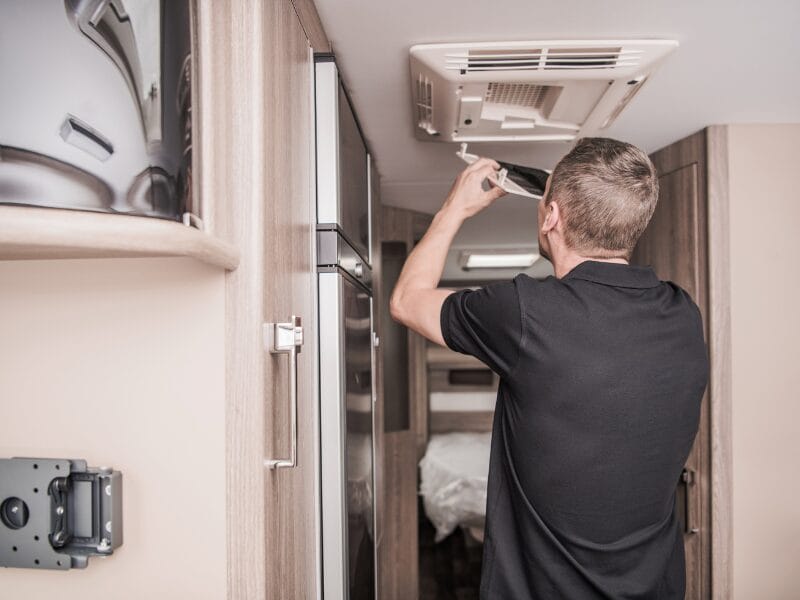
The Importance of Regular TLC
Regular maintenance is crucial for keeping your
Unfortunately, it’s all too easy to overlook or delay essential maintenance tasks, leading to costly repairs and potential safety hazards down the line. Giving your
Common Maintenance Tasks Often Overlooked
Neglecting regular maintenance can result in various issues that might disrupt your travels. Here are some commonly overlooked tasks and their potential impacts:
- Tyre Care: Regularly check tyre pressure and tread depth. Underinflated or worn tyres can lead to blowouts and decreased fuel efficiency.
- Brake Inspection: Ensure brakes function correctly to maintain safe stopping distances and avoid accidents.
- Seals and Joints: Inspect seals around windows, doors, and roof vents to prevent leaks and water damage.
- Electrical System: Check the battery, wiring, and lights to ensure everything works properly and avoid unexpected power failures.
- Gas Appliances: Regularly service gas appliances, including the stove, heater, and fridge, to prevent leaks and ensure they operate safely.
- Water System: Clean and sanitise the water tanks and check for leaks to maintain a safe and reliable water supply.
- Chassis and Suspension: Inspect the chassis and suspension for signs of rust or wear, which can affect the stability and safety of your
caravan .
Tip: Regular Maintenance Schedule and DIY Tips
Creating a maintenance schedule can help you stay on top of essential tasks and ensure your
Monthly Maintenance:
- Check tyre pressure and tread depth.
- Inspect all lights (interior and exterior).
- Test brake functionality.
- Clean and sanitise water tanks.
Quarterly Maintenance:
- Inspect and lubricate door and window seals.
- Check for water leaks around seals and joints.
- Test gas appliances and check for leaks.
- Inspect the battery and charging system.
Annual Maintenance:
- Full service of the gas system by a professional.
- Inspect and service the brake system.
- Check and clean the air conditioning unit.
- Inspect the chassis and suspension for rust or damage.
- Professional inspection of the electrical system.
DIY Tips:
- Tyre Care: Use a tyre pressure gauge and keep a portable air compressor handy.
- Brake Inspection: Listen for unusual noises and feel for changes in braking performance.
- Seal Maintenance: Use a silicone-based lubricant to keep seals in good condition.
- Electrical Checks: Carry a multimeter to test battery voltage and check for wiring issues.
- Gas Safety: Regularly check the condition of gas hoses and fittings and use soapy water to detect leaks.
Following a regular maintenance schedule and performing basic checks can prevent many common issues and ensure your
Regular TLC enhances the safety and comfort of your travels and protects your investment, allowing you to enjoy many more adventures on the road.
6. Overlooking the Weather
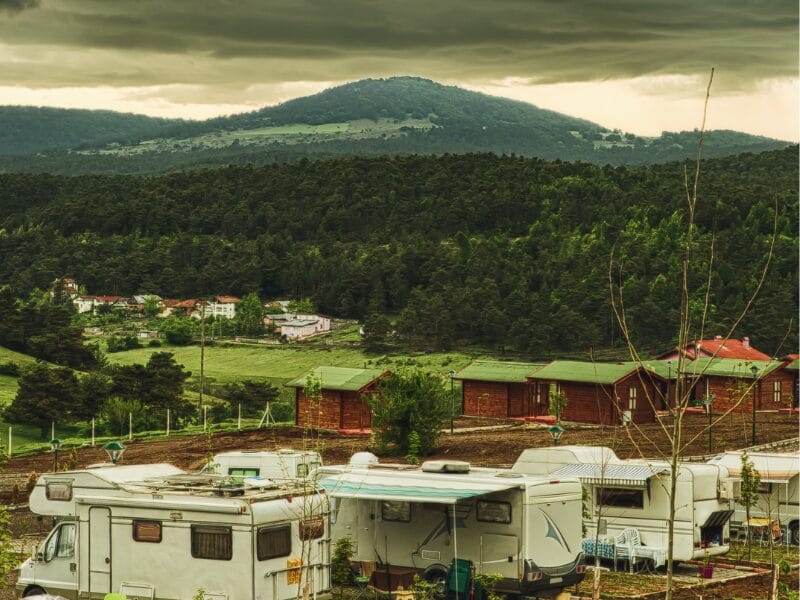
Be Weather-Wise
Weather can be a caravanner’s best friend or worst enemy. Overlooking weather conditions and forecasts can lead to uncomfortable and sometimes dangerous situations.
Planning your trip with the weather in mind can help you avoid severe weather, extreme temperatures, and other weather-related issues that could disrupt your travel plans and safety.
The Impact of Weather on Travel Plans and Caravan Safety
Ignoring the weather can result in a range of challenges and hazards, including:
- Severe Storms: High winds, heavy rain, and hail can damage your
caravan and make driving dangerous. - Extreme Heat: Excessive heat can strain your
caravan ‘s cooling systems, increase the risk of tyre blowouts, and create uncomfortable living conditions. - Cold Weather: Freezing temperatures can affect water systems, batteries, and overall comfort.
- Flooding: Unexpected flooding can strand you in remote areas or make certain routes impassable.
- Bushfires: In Australia, bushfires are a serious threat during the dry season, posing a danger to your safety and that of your
caravan .
Tip: Best Practices for Weather Monitoring and Preparedness
To stay ahead of the weather and ensure a safe and enjoyable trip, follow these best practices:
1. Regularly Check Weather Forecasts:
- Weather Apps: For up-to-date forecasts and alerts, use reliable weather apps such as BOM Weather (Bureau of Meteorology), Weatherzone, or AccuWeather.
- Local News: Tune into local news stations or radio for weather updates, especially when travelling through remote areas.
2. Plan Your Route According to Weather Conditions:
- Avoid Extreme Conditions: If severe weather is forecasted, consider delaying your trip or altering your route to avoid affected areas.
- Seasonal Planning: Plan your travels according to the seasons. For example, head to cooler regions during summer and warmer areas during winter.
3. Prepare for Weather-Related Emergencies:
- Emergency Kit: Carry an emergency kit with a first-aid kit, extra food and water, blankets, a torch, and a portable power bank.
- Shelter Options: Know where you can find safe shelter along your route, such as
caravan parks, rest stops, or towns with facilities. - Stay Informed: Subscribe to weather alert services and local emergency notifications to stay informed about potential hazards.
4. Protect Your
- Storm Preparation: Secure loose items, close windows and vents, and use storm covers or tarps to protect against hail and debris.
- Heat Management: Use reflective window covers, ventilate your
caravan , and park in shaded areas to keep cool in hot weather. - Cold Weather Prep: Insulate water hoses, carry antifreeze, and use portable heaters to maintain warmth.
5. Flexible Itinerary:
- Be Ready to Adapt: Keep your travel plans flexible to accommodate unexpected weather changes. Having backup destinations and routes can save you from frustration and potential danger.
By monitoring the weather and preparing accordingly, you can avoid many of the pitfalls associated with changing conditions. Weather-wise planning ensures that your caravanning adventures remain safe, comfortable, and enjoyable, no matter what Mother Nature has in store.
7. Not Practising Towing Skills
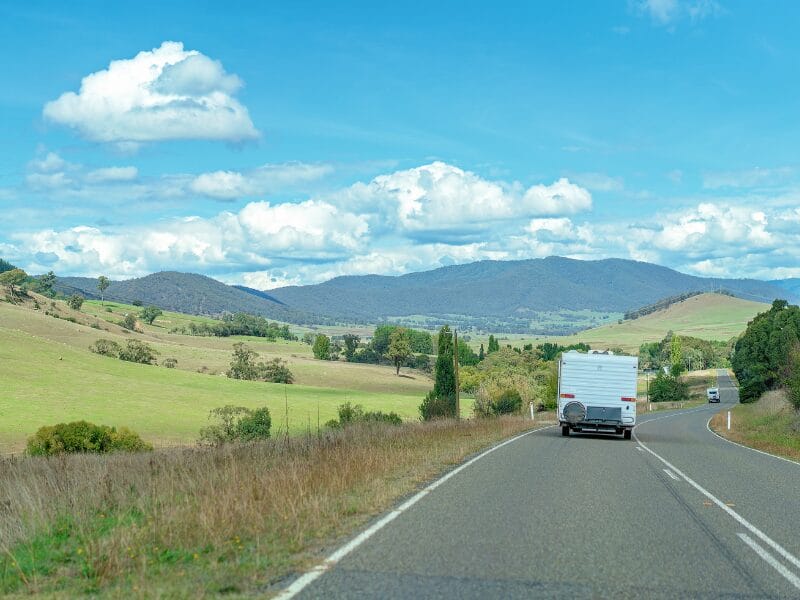
Mastering the Art of Towing
Towing a
Investing time developing these skills can significantly improve your overall caravanning experience, ensuring safety and reducing stress.
The Challenges of Towing a Caravan
Towing a
- Handling and Stability: Managing the increased length and weight can affect your vehicle’s handling and stability, especially at higher speeds.
- Reversing: Reversing with a
caravan attached requires precision and patience and can be daunting for beginners. - Braking Distance: The added weight of the
caravan increases your vehicle’s braking distance, requiring you to adjust your driving style. - Turning: Navigating turns and roundabouts with a
caravan involves wider arcs and more cautious driving. - Hills and Inclines: Towing on steep inclines can strain your vehicle’s engine and brakes, requiring careful control and planning.
Tip: Resources for Practising and Improving Towing Skills
Improving your towing skills can make your trips smoother and more enjoyable. Here are some resources and tips to help you master the art of towing:
1. Take a Towing Course:
- Professional Training: Enrol in a towing course accredited organisations or driving schools offer. These courses cover essential techniques and safety practices and provide hands-on experience.
- Caravan Clubs: Many
caravan clubs offer towing workshops and training sessions for their members, providing practical advice and support.
2. Practise in a Safe Environment:
- Empty Car Parks: Practise manoeuvring and reversing in an empty car park or a wide-open space. Set up cones to simulate tight spaces and practice different scenarios.
- Low-Traffic Roads: Start with short drives on low-traffic roads to get comfortable with towing before venturing onto busier highways.
3. Use Technology:
- Towing Mirrors: Invest in high-quality towing mirrors to enhance visibility and make lane changes and reversing easier.
- Rearview Cameras: Consider installing a rearview camera on your
caravan to assist with reversing and monitoring thecaravan while driving.
4. Learn from Experienced Towing Experts:
- Online Tutorials: Watch instructional videos and tutorials from experienced caravanners and towing experts. Platforms like YouTube offer a wealth of free resources.
- Forums and Communities: Join caravanning forums and online communities to seek advice, share experiences, and learn from others.
5. Practise Essential Skills:
- Reversing: Focus on mastering reversing techniques. Practise backing into campsites, driveways, and tight spots.
- Braking: Practise gradual braking to understand the increased stopping distance required when towing.
- Turning: Get used to taking wider turns and navigating roundabouts with the added length of the
caravan . - Emergency Situations: Simulate emergency braking and swerving to prepare for unexpected situations on the road.
6. Understand Towing Regulations:
- Weight Limits: Ensure you are aware of the towing capacity of your vehicle and the weight limits of your caravan.
- Speed Limits: Adhere to towing-specific speed limits and regulations in different regions.
- Licensing Requirements: Check if additional licenses or endorsements are required for towing in your state or territory.
Investing time in practising and improving your towing skills can significantly enhance your confidence and safety on the road. With the right training and experience, you’ll easily handle your
8. Disregarding Local Laws and Regulations
Stay Legal, Stay Safe
Travelling through different regions means encountering varying laws and regulations. Disregarding these can result in hefty fines and put you and others at risk. Understanding and adhering to local laws ensures a smooth journey and demonstrates respect for the communities you visit.
Importance of Knowing and Following Local Laws and Regulations
Ignoring local laws and regulations can lead to several issues:
- Fines and Penalties: Non-compliance with road rules, camping restrictions, or environmental regulations can result in fines and legal troubles.
- Safety Risks: Certain laws are in place to protect travellers and locals alike. Ignoring them can compromise your safety.
- Community Relations: Respecting local laws fosters good relationships with the communities you visit, ensuring a more welcoming and positive experience.
Tip: How to Stay Informed About Local Regulations
To avoid any legal hiccups during your caravanning adventure, here are some tips for staying informed about local laws and regulations:
1. Research Before You Go:
- Road Rules: Familiarise yourself with the road rules of the regions you plan to visit. This includes speed limits, overtaking laws, and mobile phone usage.
- Camping Regulations: Check the rules for camping and caravanning in national parks, campgrounds, and free camping sites. Some areas may require permits or have restrictions on stay duration.
- Environmental Laws: Understand local environmental protection laws, such as waste disposal, fire regulations, and wildlife protection.
2. Use Reliable Resources:
- Government Websites: Visit official state and local government websites for the most accurate and up-to-date information on laws and regulations.
- Caravanning Associations: Join caravanning associations that provide members with legal updates, resources, and support.
3. Engage with the Community:
- Talk to Locals: When you arrive at a new destination, talk to local residents or fellow caravanners to get insights on any specific rules or tips for the area.
- Visitor Centres: Stop by visitor centres to gather brochures, maps, and speak with staff who can provide valuable information on local regulations.
4. Keep Documentation Handy:
- Permits and Licenses: Carry all necessary permits, licenses, and identification with you. This includes driving licenses, vehicle registration, and any camping permits.
- Emergency Contacts: Have a list of local emergency contacts, including police, fire services, and medical facilities.
5. Stay Updated:
- News and Alerts: Subscribe to local news outlets or follow relevant social media channels for updates on road conditions, weather alerts, and law changes.
- Signage: Pay attention to road signs and notices, which often provide important information about local rules and restrictions.
Practical Tips for Compliance:
1. Road Safety:
- Obey speed limits and road signs.
- Use designated overtaking lanes and avoid illegal maneuvers.
- Ensure your vehicle and
caravan are roadworthy and meet safety standards.
2. Camping Etiquette:
- Camp only in designated areas and respect stay limits.
- Dispose of waste properly and use designated dump points.
- Adhere to fire regulations and avoid lighting fires in prohibited areas.
3. Environmental Respect:
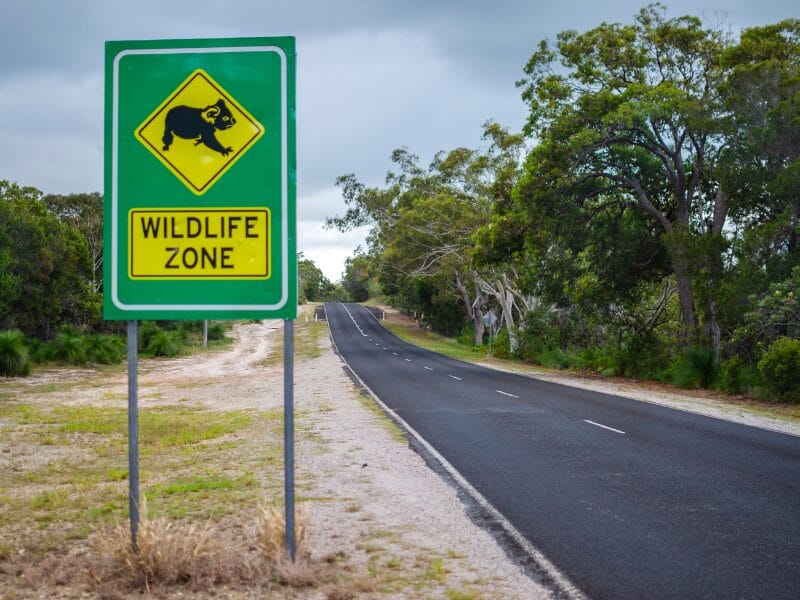
- Avoid disturbing wildlife and follow guidelines for interacting with native animals.
- Stay on marked trails and avoid damaging vegetation.
- Use eco-friendly products and minimise your environmental footprint.
By taking the time to understand and follow local laws and regulations, you protect yourself from legal issues and contribute to preserving the natural beauty and harmony of the places you visit. Respecting local rules ensures everyone can enjoy a safe, pleasant, and sustainable caravanning experience.
Final Thoughts
Embarking on a caravanning adventure can be one of the most rewarding experiences. It offers the freedom to explore, connect with nature, and create unforgettable memories.
However, like any journey, it comes with its own set of challenges and potential pitfalls. By being aware of the biggest mistakes people make when caravanning, you can take proactive steps to avoid them and ensure your travels are smooth, safe, and enjoyable.
Following these tips and taking a mindful approach to your caravanning adventures, you can sidestep common mistakes and enjoy a more seamless and delightful journey.
Remember, preparation and knowledge are your best allies in making every trip successful.
Remember these insights as you hit the road and let them guide you towards more enjoyable and hassle-free travels. Here’s to endless adventures, breathtaking landscapes, and the joy of discovering all the beauty Australia offers from the comfort of your
Safe travels and happy caravanning!
Pin This


With years of experience travelling Australia in a caravan, I’m passionate about helping others embark on their own unforgettable adventures. From off-grid camping tips to expert advice on planning the ultimate big lap of Australia, I share stories, practical hacks, and inspiration to make your journey stress-free and exciting. Whether you’re a seasoned traveller or just starting out, join me as I explore the beauty of Australia, one road at a time!