
Mudgee, in Central West NSW, may be well known for it’s wineries. But just a short drive out of town, you can step back in time by visiting the historic villages of Kandos, Rylstone and Gulgong.
These three villages are all just a short drive out of Mudgee and perfect for a day trip. The scenery surrounding Kandos, Rylstone and Gulgong is spectacular and there is plenty of history to learn about along the way.
KANDOS
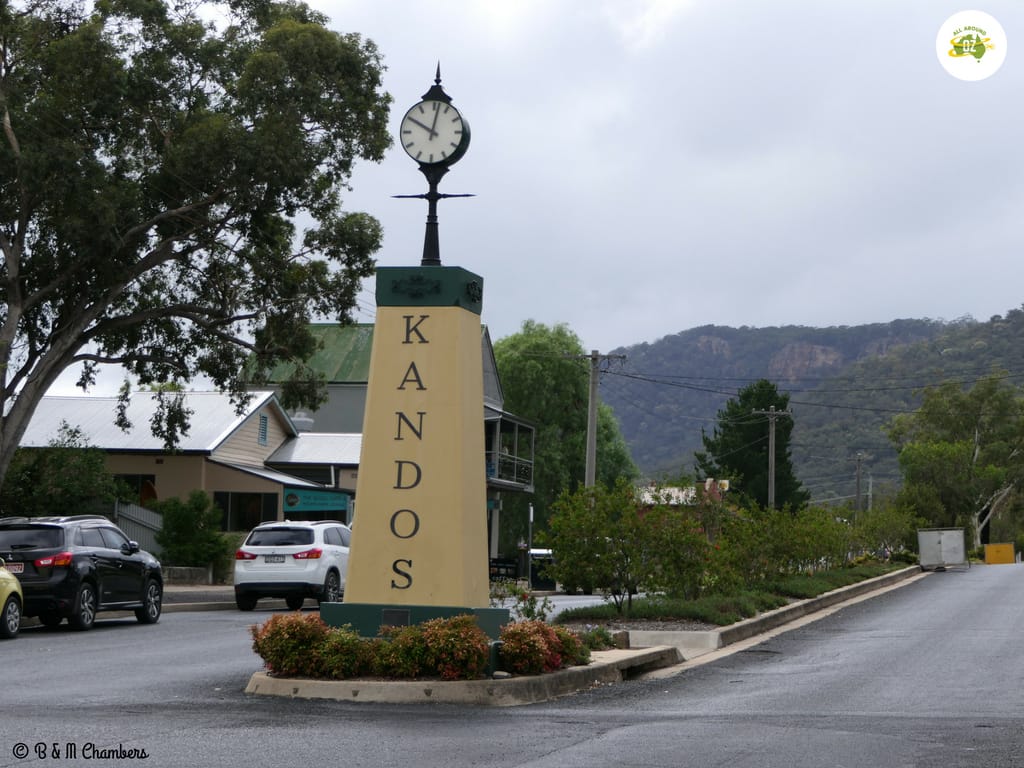
Kandos is not an old town in the scheme of things having only been established in 1914. It’s historical significance lays in the fact that it was Australia’s first private town. Nestled in the foothills of the Blue Mountains, it was once home to the largest cement works in the southern hemisphere.
Kandos was known as the ‘town that built Sydney’ as it supplied the cement for the Sydney Harbour Bridge. These days, the town is more of a sleepy village, following the closure of the cement works in 2011.It is now better known as a tourist attraction and a place with a vibrant arts community.

As Kandos is only a small town, it is easy to go for a walk along the main street and check out the other sights. There are a few shops and a bakery which had reasonable pies. If you take a drive around town you will see that many original houses remain and not surprisingly they are made of concrete!
KANDOS MUSEUM
To learn more about the history of Kandos a visit to the Kandos Museum is a must. The museum was formerly the Methodist Church. It was built by Kandos Cement Superintendant, Floyd S Richards and styled after his hometown church in America – California mission! There is plenty on display in this community run museum.
It is open from 10am to 4pm, Wednesday to Sunday. Entry is $8.00 for adults or $15.00 for a family.

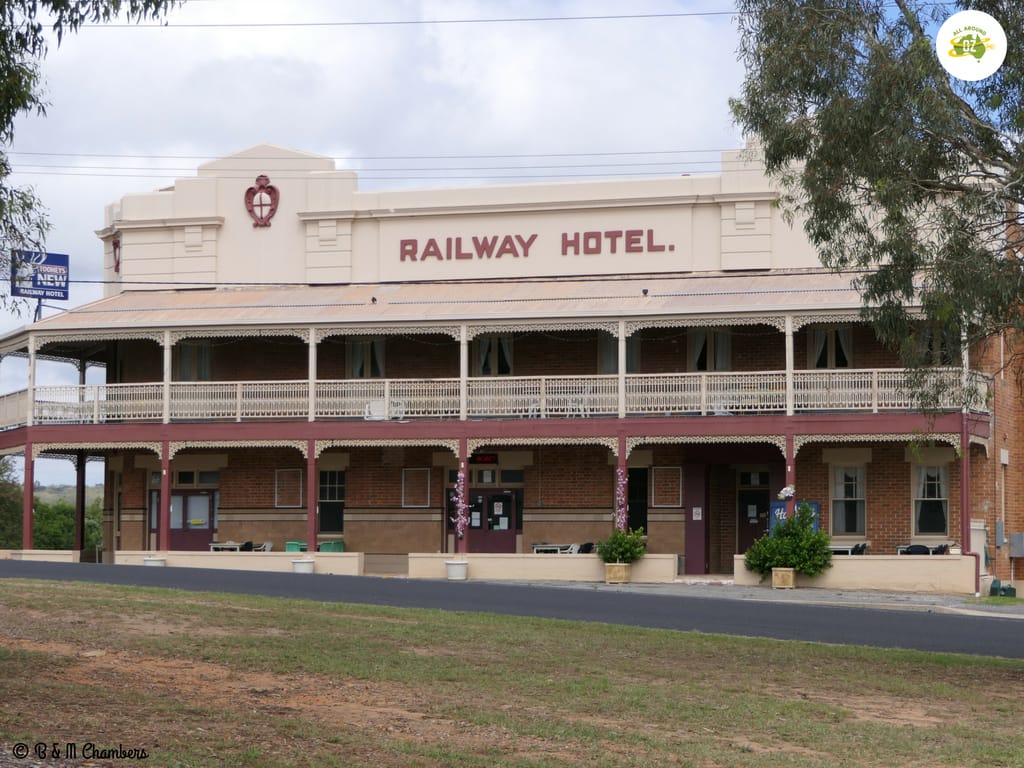
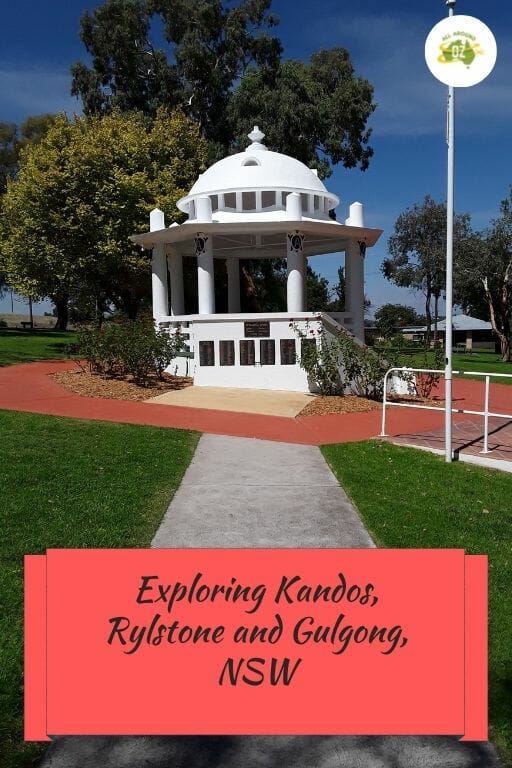
Other buildings worth checking out are the Court House, St Laurence’s Church of England, the Rotunda in the park and the Railway Hotel, which of course, is located directly across the road from the now dis-used railway station.
RYLSTONE
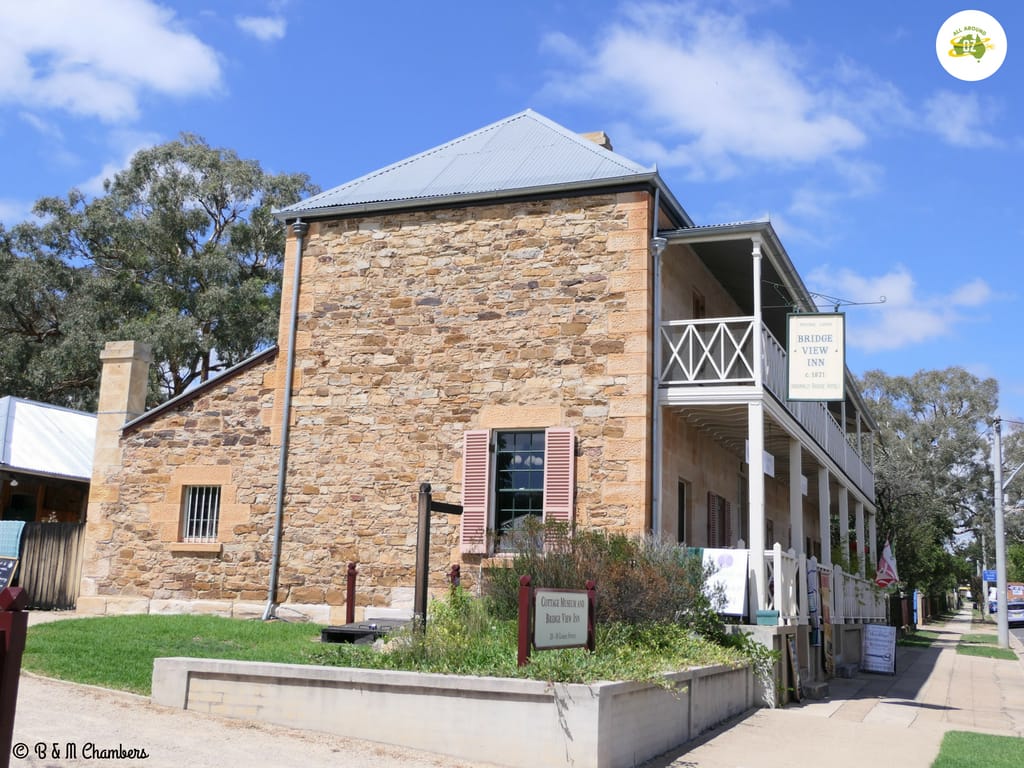
A mere 8 kilometres north of Kandos is the village of Rylstone. First settled in the 1830’s, many original buildings remain and are a focal point of the town today. Made of local sandstone, several of these buildings now serve other purposes. One of these is the former Bridge Hotel which now houses a couple of shops, a tea room as well as accommodation.
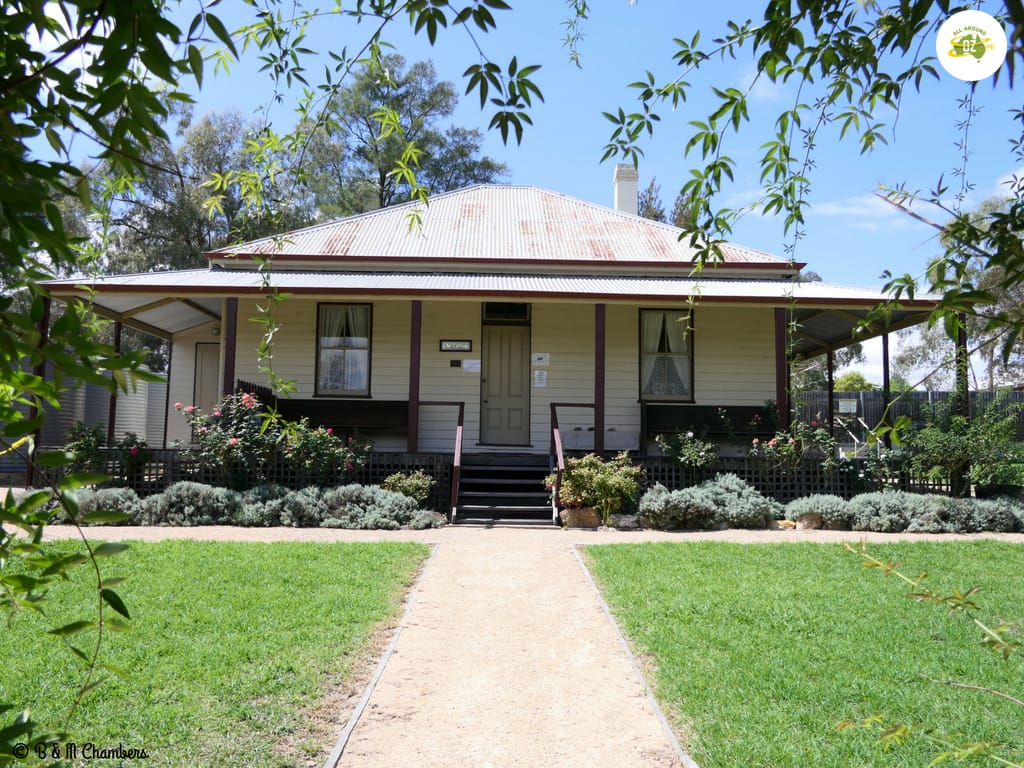
At the rear of the Bridge Hotel you will find James Nash House. It was originally built for James Nash who was the local blacksmith. The cottage was moved from near the showground to it’s current location and now houses the Cottage Museum. It is open on Sundays from 10am to 3pm or by appointment.
In recent times, Rylstone has been gaining a reputation as a food lovers destination and there were certainly plenty of spots to stop for a bite to eat.
Walking along the main street I also found plenty of small shops to delight the shoppers amongst us. Several had good selections of clothing, as well as gifts and knick-nacks.
Overlooking the main street is St Malachy’s Catholic Church. It was built in 1875 and also utilises the local sandstone. It is one of four churches in the town and is still in use today.
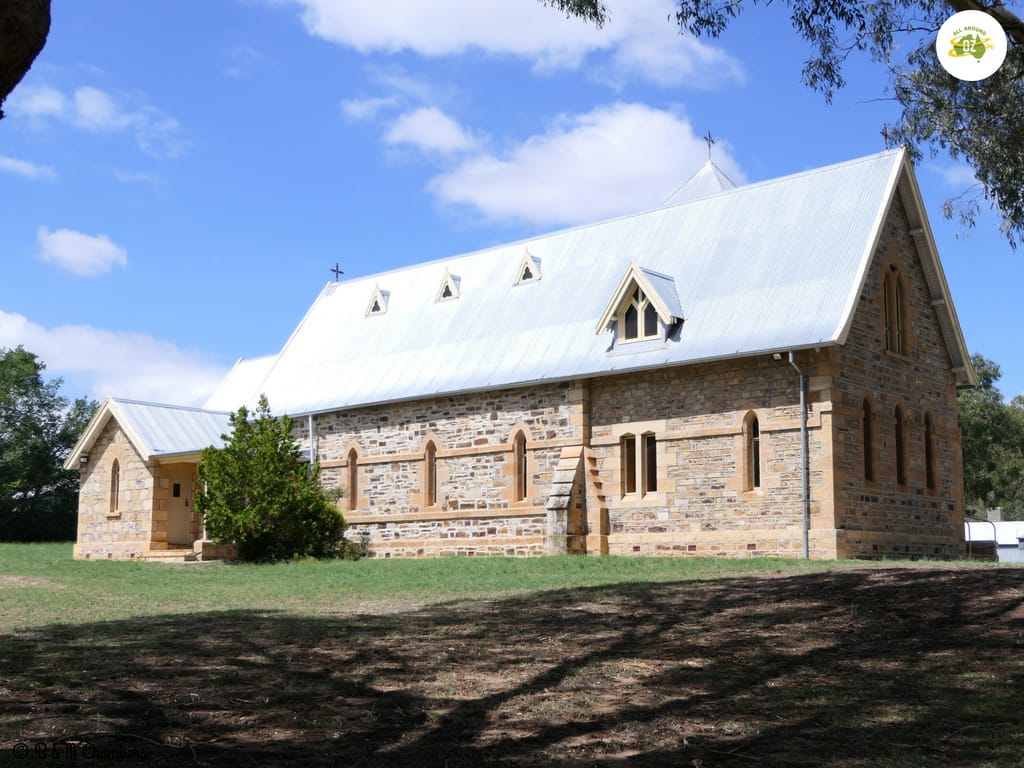
Bordering the town is the Cudgegong River. There are some nice spots to enjoy a picnic and a bike and walking trail run alongside it.

TRACK YOUR ADVENTURE
Keep track of all your adventures with this Map of Australia Sticker. Choose from either UV Outdoors or Fabric Indoors.
WINDAMERE DAM
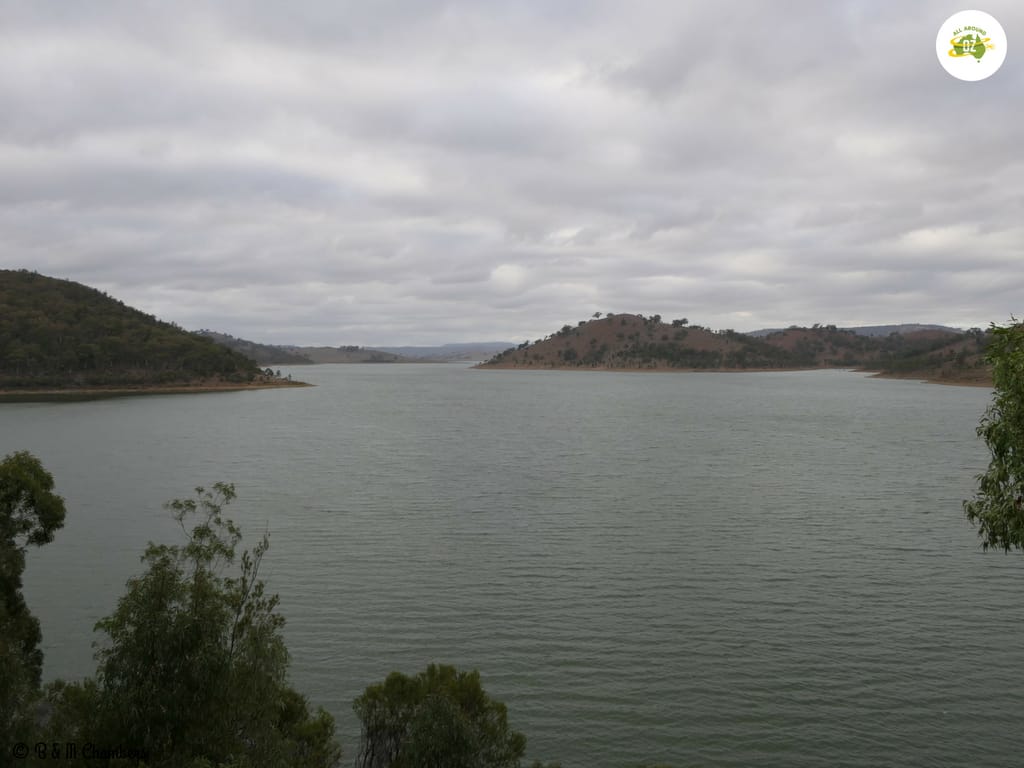
Not far from Kandos or Rylstone is Windamere Dam. This popular spot for boating, camping and fishing was built to accommodate the water needs of Mudgee and Gulgong. With a storage capacity of 368,000 megalitres, it covers an area of over 2000 hectares so it is quite an impressive sight.
There are also picnic areas on the northern side, but we thought these were a little run down, but still a nice area to explore.
GULGONG
Gulgong is perhaps the better known town out of the three mentioned in this post. After all it was the town featured on our original $10.00 note. It is also the place where renowned early Australian poet Henry Lawson spent his formative years.
Gulgong was established in the late 1800’s after gold was discovered in the area. The town boomed until the gold petered out. What remains now is a charming and historic village, with plenty to see and do.
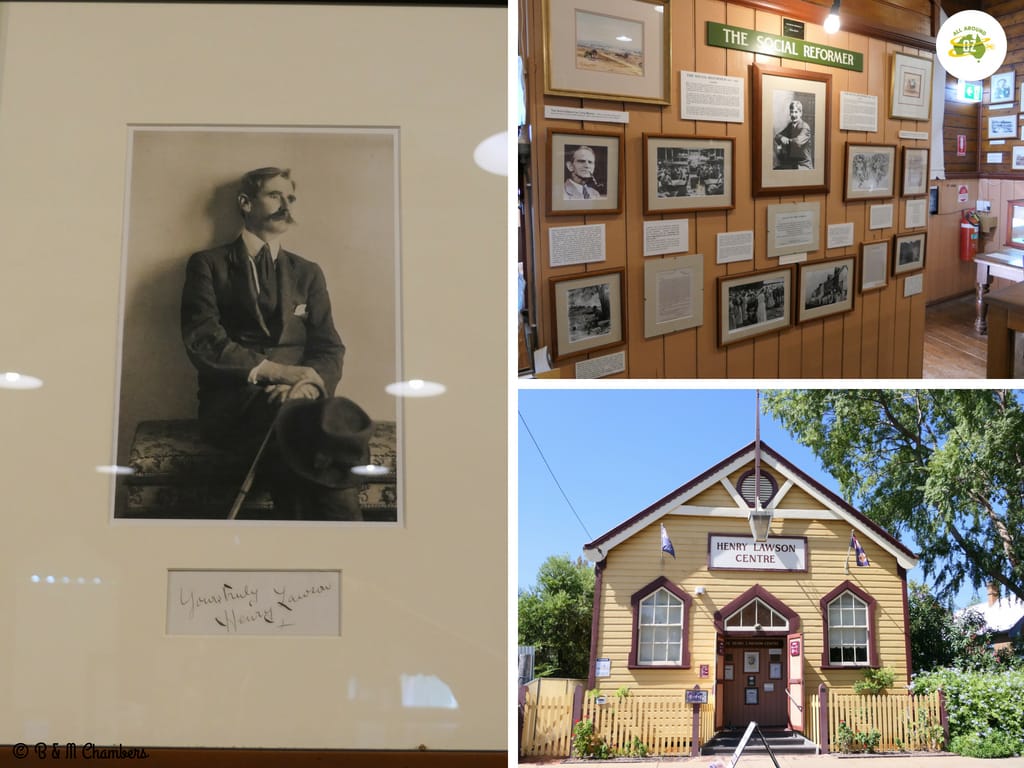
First on my list was the Henry Lawson Centre. A museum set up to honour the life and works of this famous Australian. Run by volunteers, the gentleman I encountered was so very knowledgeable and passionate about preserving a part of our heritage. It was a fascinating look into the life of a man who was a genius with words but otherwise a flawed human being.
Wandering up the main street I came across the Prince of Wales Opera House, which is the oldest still-operating Opera House in the Southern Hemisphere. Dame Nellie Melba once performed on it’s stage so it is very deserving of it’s place in the towns history.
If you want to discover more about Gulgong’s history then a visit to the Gulgong Pioneer’s Museum is a must. It has over 60,000 items on display and you will need to allow a couple of hours to see everything.
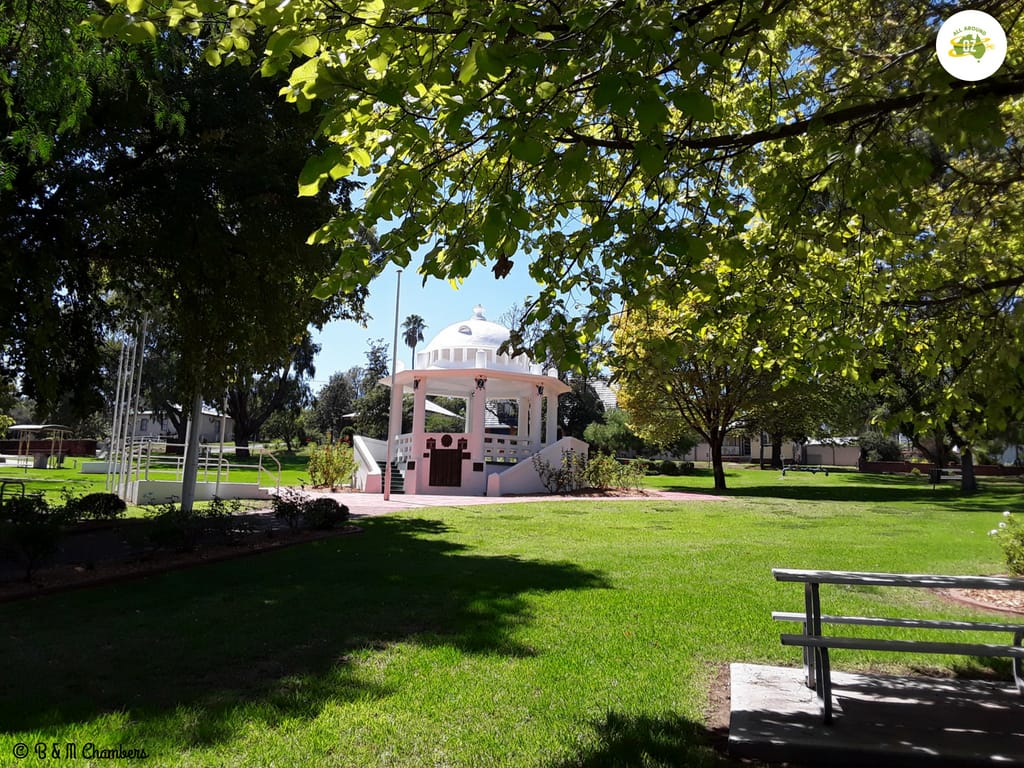
A great spot to park in Gulgong is alongside Anzac Park. Anzac Park is the perfect spot to enjoy some lunch. There is plenty of green grass, shady trees, picnic tables, BBQ’s, very clean public toilets and also a small children’s playground.
THE DRIP
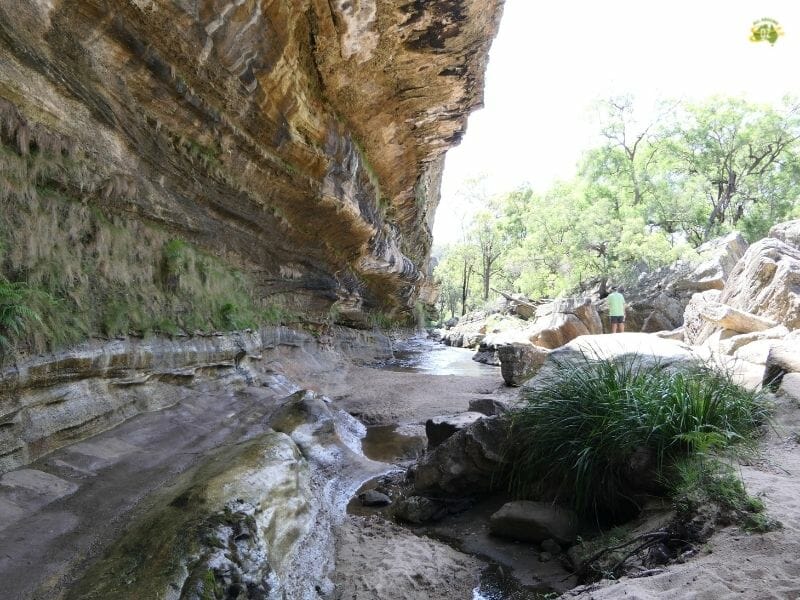
Just a short 35 kilometre drive from Gulgong, and not far from the tiny coal mining village of Ulan you will find the Goulburn River National Park. Located within the park is The Drip Walking Track. Here you can see the naturally occurring phenomenon of water seeping through the porous sandstone walls.
The walking track meanders along the Goulburn River and is a really lovely walk. The walk is a relatively easy one, with some narrow sections and some steps that require a little more effort. The Drip can be enjoyed at any time of year, but is best after some rainfall, as you will see more water seeping through the rocks. On a hot summers day, you will find the area is a lot cooler.
There is plenty of parking at the start of the walking track, as well as toilets and picnic tables. The walk is 2.8 kilometres, return and will take you around one to one and half hours to complete.
WHERE TO STAY
We based ourselves in Mudgee at the Riverside
Wherever you decide to stay you will really enjoy visiting the towns of Kandos, Rylstone and Gulgong.
PIN THIS:

Listen in to their podcast episode https://allaroundoz.com.au/podcasts/travelling-and-working-around-australia/

I love these little country towns. They always reveal something unique from a historical point of view. I would definitely to visit the Mudgee area, particularly for the wineries in the area!
They were gorgeous little places and we really only skimmed the surface of the whole area.