
A gas caravan heater is a reliable way to keep your van warm off-grid and in cooler weather, especially if you already carry LPG for cooking and appliances. The best gas heater depends on your caravan size, how cold your travels get, and whether you want a simple heat-only unit or a combined heat and hot water setup.
A built-in gas caravan heater can be a practical way to keep your van warm when you’re camping off-grid or travelling through the cooler parts of Australia. If you already carry LPG for cooking or hot water, it also means you don’t need to carry another fuel type just for heating.
I started researching gas heaters when we were building our caravan because I am a cold frog and would much rather have a warm van than sit around wearing layers of clothes. Ironically, after doing all that research, we made one mistake when we built our Urban Caravan: we didn’t actually have a heater installed!
It’s something we’d change if we were doing the build again. We already carry LPG and our Nissan Y62 Patrol runs on petrol, so for our setup a built-in LPG heater makes more sense than carrying diesel purely for a heater.
There aren’t dozens of suitable indoor gas heaters to choose from. Purpose-built caravan gas heating is a specialised category, and the main options covered in this guide are Truma’s VarioHeat Eco, which provides space heating, and the Combi 4E, which combines space heating and hot water.
It’s also important not to confuse these permanently installed heaters with portable camping gas heaters. Portable outdoor gas heaters, cookers and similar appliances should never be used inside a caravan, tent or other enclosed sleeping space because combustion gases, including carbon monoxide, can build up quickly.
Below I’ve compared the two systems, what each one does and the things I’d consider before deciding which type suits a caravan.
Comparing the Best Gas Caravan Heaters in Australia
Unlike many of our buying guides, this isn’t a comparison of ten similar products. There are only a small number of purpose-built LPG heating systems suitable for permanently installing inside Australian caravans, so I’d rather compare the relevant options than pad the list with portable heaters that don’t belong here.
The biggest decision is whether you want a compact heater that provides space heating only, or a larger system that combines space heating and hot water.hese factors, you can start to compare the different gas
Who this guide is for
This guide is for:
- Caravanners and camper owners travelling Australia in cooler months
- People who want a built-in heating solution without carrying extra fuel types
- Anyone comparing gas vs diesel heaters
- Caravanners and campervan owners comparing heater output, installation requirements and fuel options
When a Gas Heater Makes Sense
A built-in gas heater makes the most sense when you already carry LPG and want a permanently installed heating system that can operate away from mains power.
A gas heater still uses a small amount of 12V power for controls, fans and ignition, but the actual heat comes from LPG rather than drawing heavily from the battery.
That can make gas heating particularly useful for off-grid caravanning in cooler weather.
It also means you need a compliant gas installation, exterior combustion-air and exhaust components, and professional installation.
For caravanners who already have a diesel vehicle and are happy to carry diesel, a diesel heater may suit just as well. The better option comes down to your existing fuel setup, available installation space and how you use your caravan.
Best Caravan Heater Gas Comparison Chart
The table below compares top gas caravan heaters available in Australia, including compact heaters, multi-function heater/water units, and portable options.
| Model | Type | Heating Output | Power/Fuel | Weight | Best for | Features | Consider | Check Price |
|---|---|---|---|---|---|---|---|---|
Truma VarioHeat Eco Gas Heater Kit with Black Cowl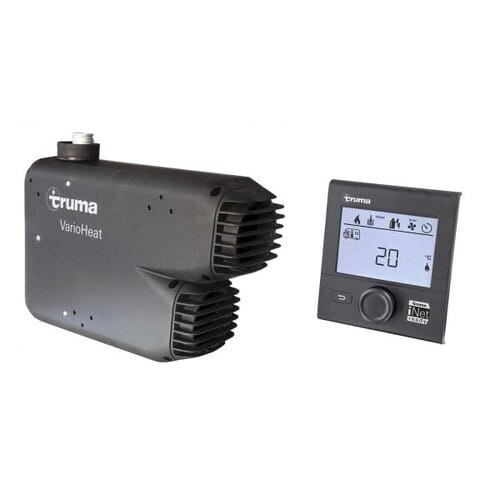 | Built-in LPG ducted air heater | 1.3kW and 2.8kW | LPG with 12V controls and fan | Approximately 5.5kg for the heater | Caravanners wanting a compact heat-only system | CP Plus controls, boost mode, night mode and flexible installation | No hot-water function and the electric E-Kit is optional | CHECK PRICE |
Truma Combi 4E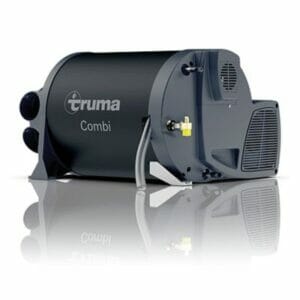 | Combined space and water heater | Approximately 4kW gas output with electric heating elements | LPG, 240V electricity or mixed mode | Approximately 16.2kg without water | New caravan builds requiring heating and hot water | Four air outlets, gas/electric operation and independent water heating | Higher price, weight and installation requirements | CHECK PRICE |
Best Gas Caravan Heaters in Australia
- Truma VarioHeat Eco Gas Heater with Black Cowl
- Truma Combi 4E Gas and Electric Heater
How To Choose the Best Gas Heater For Caravan Australia
Types of Gas Heating for Caravans
For indoor caravan use, the important distinction is not really between “propane” and “LPG” heaters. In Australia, purpose-built caravan heaters generally use LPG and are installed as part of the caravan’s gas system.
The two main built-in options covered in this guide are:
Heat-only ducted gas heaters
These heat air and distribute it around the caravan through ducting. They are compact and relatively light, but do not heat water.
Combined gas and electric space/water heaters
These combine caravan heating and hot water in one appliance. They are larger and heavier, but can save space compared with installing separate appliances.
Portable outdoor gas heaters are a completely different category and should not be used inside caravans unless that exact appliance and installation is specifically approved for indoor caravan use.
Choosing a Gas Heater for Your Caravan
Only consider a gas heater specifically designed and approved for the intended caravan or RV installation.
The heater also needs to suit the available installation space, your existing LPG system, the required ducting and the manufacturer’s combustion-air and exhaust requirements.
This isn’t a DIY installation. Gas appliances should be installed by an appropriately licensed gas professional in accordance with the manufacturer’s instructions and applicable Australian requirements.
If you’re ordering a new caravan, it’s worth deciding on the heater during the build rather than afterwards. That’s one thing we’d change about our own caravan build.
Gas Caravan Heater Reviews
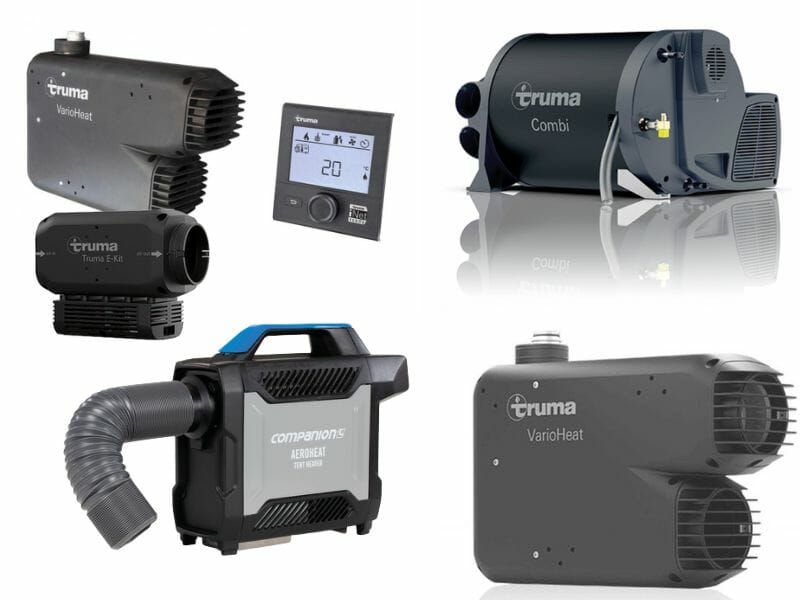
Truma VarioHeat Eco Gas Heater Kit with Black Cowl Review
The Truma VarioHeat Eco is a compact built-in LPG heater designed for caravans, motorhomes and vans.
It has two gas heating outputs of 1.3kW and 2.8kW and automatically regulates its output according to the temperature selected on the control panel.
The heater itself runs on LPG, while 12V power is used for the controls, combustion fan and warm-air fan.
Truma lists 12V consumption at approximately 0.65A on the lower setting and up to 2.75A on the higher setting.
It weighs approximately 5.5kg and can be installed in several orientations, which makes it useful where installation space is limited.
Features include:
- 1.3kW and 2.8kW gas heat output
- 12V controls and fan
- Approx. 5.5kg weight
- Automatic heat regulation
- Boost mode
- Night mode
- Ducted warm-air outlets
- Compact installation
Things to consider
The standard VarioHeat Eco is a gas heater. Do not describe it as a 240V electric heater unless the optional Truma E-Kit is separately fitted.
The heater requires professional installation into the caravan’s LPG system, along with correct combustion-air intake, exhaust cowl, ducting and clearances.
It provides space heating only and does not heat water.
Check the current price and specifications for the Truma VarioHeat Eco
Truma Combi 4E Gas and Electric Heater Review
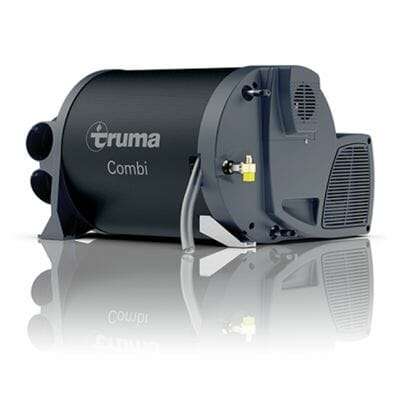
The Truma Combi 4E combines caravan space heating and a 10-litre hot-water system in one appliance.
It can operate in gas mode, 230V electric mode or mixed gas/electric mode.
In gas mode, it provides 2kW or 4kW of heating output.
In electric mode, the integrated heating elements provide 900W or 1800W.
In mixed mode, gas and electric heating can be combined, with Truma listing a maximum heat output of approximately 3.8kW.
Warm air is distributed around the caravan through four ducted outlets.
The hot-water function can also be used without heating the caravan, which is useful in warmer weather.
Features include:
- Combined space heating and 10L hot-water system
- LPG operation
- 230V electric operation
- Mixed gas/electric mode
- 2kW / 4kW gas heat output
- 900W / 1800W electric heat output
- Four warm-air outlets
- Digital temperature control
- Approx. 15.5kg dry weight
Things to consider
The 230V electric mode requires mains-style 230V power. The 12V supply powers the controls and fans; it does not provide the 900W or 1800W electric heating element output.
The Combi 4E is heavier and more complex than a heat-only heater and requires gas, 12V, 230V, water, drainage, ducting and exterior-cowl connections.
Professional installation is required.
It makes the most sense where you want one appliance to provide both space heating and hot water.
Check the official Truma specifications and speak with an authorised installer about availability
Safety Matters with Caravan Gas Heaters
Gas heating in a caravan needs to be treated differently from using a portable camping heater outdoors.
Purpose-built caravan gas heaters use a sealed combustion system. Combustion air is drawn from outside the caravan and exhaust gases are discharged outside through the approved cowl or flue.
This separation is one of the key reasons a correctly installed caravan heater can be safely used indoors.
Portable gas heaters designed for outdoor use must never be brought into a caravan, tent, annex or other enclosed sleeping space. Carbon monoxide is colourless and odourless and can build up when fuel-burning appliances are used in enclosed or poorly ventilated areas.
Gas appliances should be installed, altered and serviced by appropriately licensed gas professionals in accordance with the applicable Australian requirements and the heater manufacturer’s instructions.
Also:
- Keep air intakes and exhaust cowls clear
- Do not modify gas lines or heater components yourself
- Follow the manufacturer’s servicing schedule
- Stop using the heater if you notice unusual smells, soot, ignition problems or abnormal operation
- Consider fitting a carbon monoxide alarm suitable for use in caravans as an additional safety measure
A carbon monoxide alarm is an extra safeguard, not a substitute for correct installation, ventilation and maintenance.
Frequently Asked Questions (FAQs)
Gas Heater vs Diesel Heater: What’s the Difference?
Both gas and diesel heaters can work well for caravanning.
A gas heater makes sense if your caravan already carries LPG for cooking or hot water because you can use the same fuel system.
A diesel heater can make sense if your tow vehicle already runs on diesel and you are comfortable carrying or plumbing a separate diesel supply for the caravan.
Both types use a small amount of 12V power for fans, controls and ignition.
The biggest practical differences are:
- Which fuel you already carry
- Installation requirements
- Available storage space
- Noise
- Fuel consumption
- Initial purchase and installation cost
- Access to servicing and spare parts
Neither fuel type is automatically “better”. Choose the system that suits your existing caravan setup and how you camp.
How Do Caravan Gas Heaters Work?
A purpose-built caravan gas heater burns LPG inside a sealed combustion chamber.
Combustion air is drawn from outside the caravan and exhaust gases are discharged outside through a dedicated flue or cowl.
A heat exchanger transfers the heat from the combustion process to clean cabin air without mixing the exhaust gases with the warm air inside the caravan.
A 12V fan then circulates the heated air through the caravan’s ducting.
This sealed system is very different from an unflued portable gas heater that burns fuel directly in the living space.
Are Caravan Gas Heaters Safe?
A purpose-built caravan gas heater can be safe when it is correctly selected, professionally installed, maintained and used according to the manufacturer’s instructions.
Modern built-in heaters use sealed combustion systems so combustion air and exhaust gases remain separate from the air inside the caravan.
The major risks come from incorrect installation, damaged or blocked flues, poor maintenance, gas leaks or using outdoor portable gas appliances inside enclosed spaces.
Have the system installed and serviced by appropriately licensed professionals and follow the manufacturer’s safety and maintenance requirements.
What Size Gas Heater Do I Need?
The correct heater size depends on more than caravan length.
Consider:
- Internal caravan volume
- Insulation
- Number and size of windows
- Outside temperatures
- Whether you regularly camp in alpine areas or Tasmania
- How quickly you want the caravan to warm up
- Number and location of duct outlets
For example, the Truma VarioHeat Eco provides up to 2.8kW of gas heat, while the Truma Combi 4E provides up to 4kW in gas mode.
More output is not automatically better. An oversized heater may cycle frequently, while an undersized heater may struggle in colder conditions.
Discuss the caravan size and intended use with the heater supplier or installer before choosing the final model.
How Often Should I Have My Caravan Gas Heater Serviced?
Follow the servicing interval specified by the heater manufacturer and your installer.
If the heater has not been used for a long period, is behaving differently, fails to ignite properly, produces unusual smells or noises, or you suspect an issue with the gas system, have it checked by an appropriately licensed gas professional before continuing to use it.
Also regularly check that exterior air intakes and exhaust cowls are clear of dirt, insects, mud and other obstructions.
Do Caravan Gas Heaters Need Electricity?
Yes, but a built-in LPG caravan heater doesn’t use electricity to produce the heat itself. A small amount of 12V power is still required for components such as the controls, ignition and fans.
A combination unit such as the Truma Combi 4E is different because it can also use 230V electric heating elements when connected to a suitable 230V supply.
Always check the electrical requirements of the exact heater you’re considering when planning your caravan’s battery and electrical system.
Which Gas Caravan Heater Would I Choose?
For our caravan, I’d lean towards a built-in LPG heater because we already carry gas and don’t have a diesel tow vehicle. It avoids carrying another fuel type purely for heating, which makes sense for our setup.
Between the two Truma options, the decision really comes down to what you need the heater to do. If you already have a hot-water system you’re happy with and simply want to warm the caravan, the VarioHeat Eco is the simpler and lighter option. If you’re building a caravan and want one appliance to handle both space heating and hot water, the Combi 4E becomes much more interesting.
And if you’re ordering a new caravan and think you’ll spend time in Tasmania, alpine areas or travelling through winter, consider the heater during the build. We didn’t, despite me being a self-confessed cold frog, and that’s one decision I’d definitely revisit.
Pin this:


With years of experience travelling Australia in a caravan, I’m passionate about helping others embark on their own unforgettable adventures. From off-grid camping tips to expert advice on planning the ultimate big lap of Australia, I share stories, practical hacks, and inspiration to make your journey stress-free and exciting. Whether you’re a seasoned traveller or just starting out, join me as I explore the beauty of Australia, one road at a time!



Re. Companion Aeroheat Ducted Rechargeable Tent Heater – you suggest this for caravans, however details for this product state that it is for outdoor use only. Can you clarify your review. Thanks