

Thinking about free camping in Australia? We look at how you can maximise your budget in this post.
You’ve packed the van. You’ve made it through that first nerve-wracking tow. The open road is ahead. But as sunset starts creeping in, the question that hits every lapper eventually lands in your lap: Caravan park… or free camp tonight?
For some, the decision is all about cost. For others, it’s about safety, routine, and comfort. And for long-term travellers like us, families chasing freedom or empty-nesters reclaiming their time, the choice is rarely black and white.
Here’s how real lappers make the call, and how you can save thousands on your Big Lap by mixing both, without compromising the things that matter most.
1. The Numbers Don’t Lie — And They Add Up Fast!
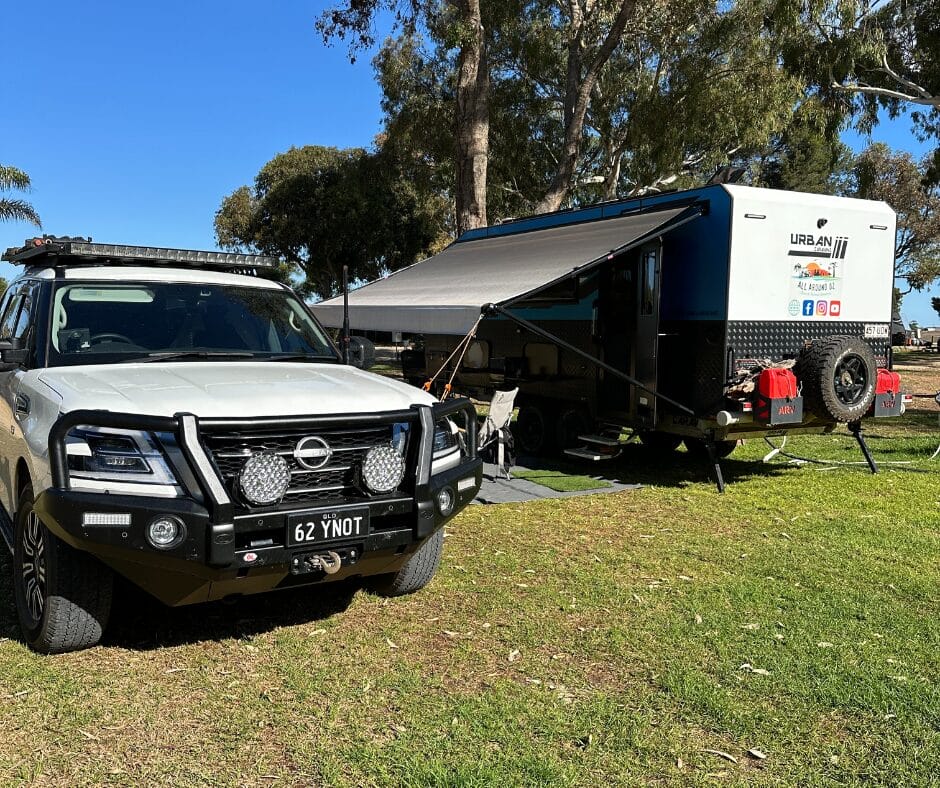
Let’s talk real money. A powered caravan park site ranges from $30 to $100+ per night.
Add in school holidays or coastal hotspots and you’ll see rates climb even higher. Do the maths over 6 or 12 months on the road — and you’re staring down a potential bill of $15,000 to $25,000… just to park.
Compare that with free camping, which, when you’re set up properly with an off-grid caravan, costs nothing or a token donation. Over time, those savings can mean extra weeks on the road, a new set of tyres, or a safety buffer that gives you peace of mind.
2. Comfort vs. Independence: What Do You Really Need?
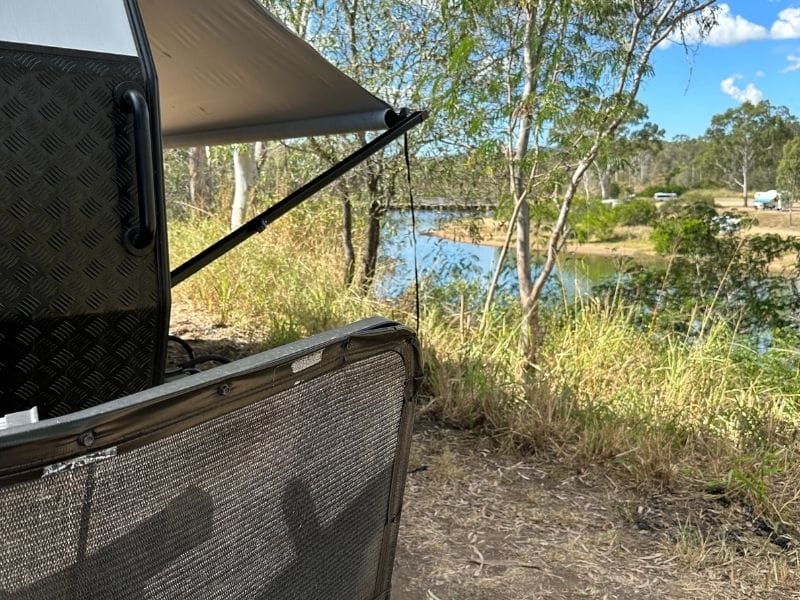
Caravan parks offer the comforts of home. Hot showers, powered sites, clean laundry rooms, and playgrounds if you’ve got little ones. After a few rough days or when the washing piles up, those comforts are worth every cent.
But many full-time travellers, especially those who’ve done their homework, live off-grid the majority of the time.
They’ve invested in solar panels, lithium batteries, proper water storage, composting toilets or cassette setups, and know how to find and use public dump points and refill stations in towns.
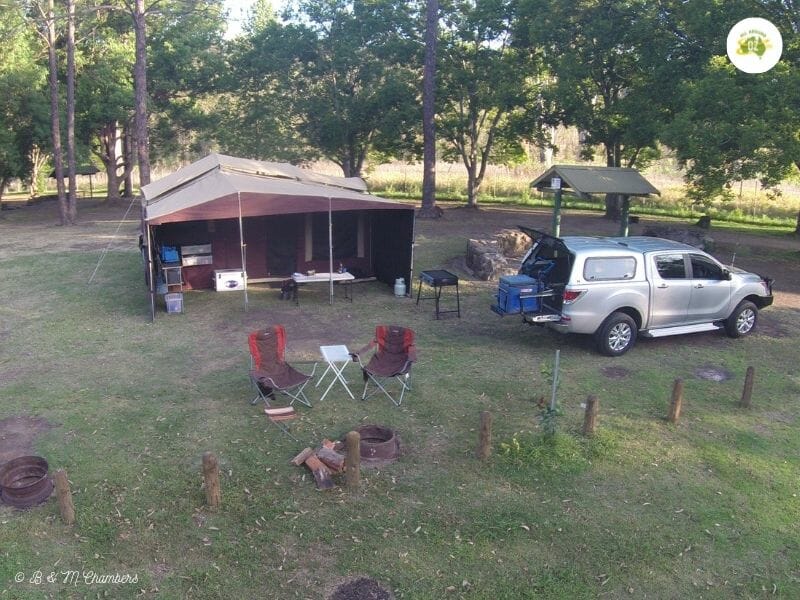
These are the ones thriving in free camps night after night, sipping coffee under gum trees instead of sharing a park site with 30+ other rigs.
3. Safety Isn’t Always Obvious — But It’s Essential
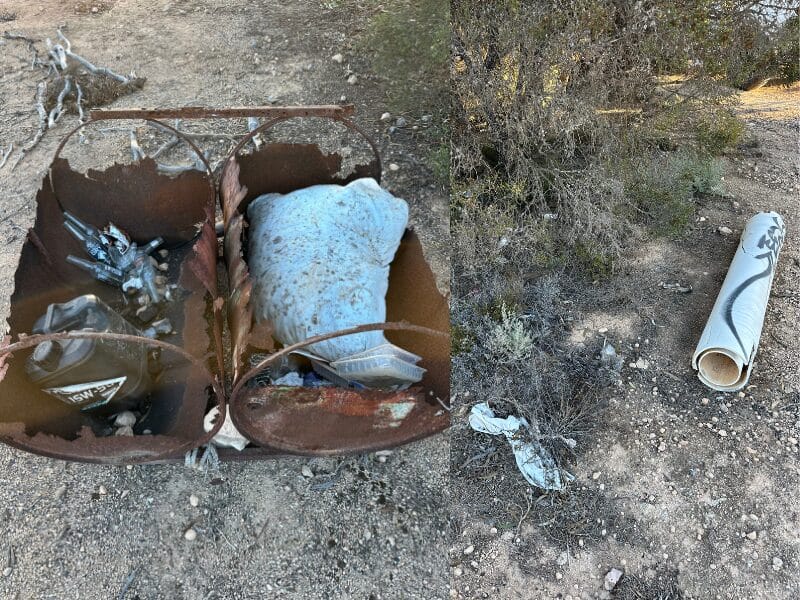
Here’s the raw truth: not every free camp feels right. Some are too isolated. Others have signs of misuse — broken glass, piles of rubbish, or a “weird vibe” that’s hard to explain.
When your gut tells you something feels off, listen to it.
After a few years on the road, together with our own life experiences, we’ve learnt to trust our instincts.
If we arrive somewhere and something just doesn’t sit right, we keep driving, no matter how late it is. It’s never worth the risk.
On the flip side, some of the best nights we’ve ever had were in quiet, free riverside spots where we were the only ones around, because they felt right.
If you’re travelling solo or with young kids, this instinct becomes even more important.
Park near other travellers when you can. Stay visible but not exposed. And check reviews on WikiCamps or local Facebook groups before committing.
4. Free Camping in Australia: Staying Off-Grid Without Going Off the Grid
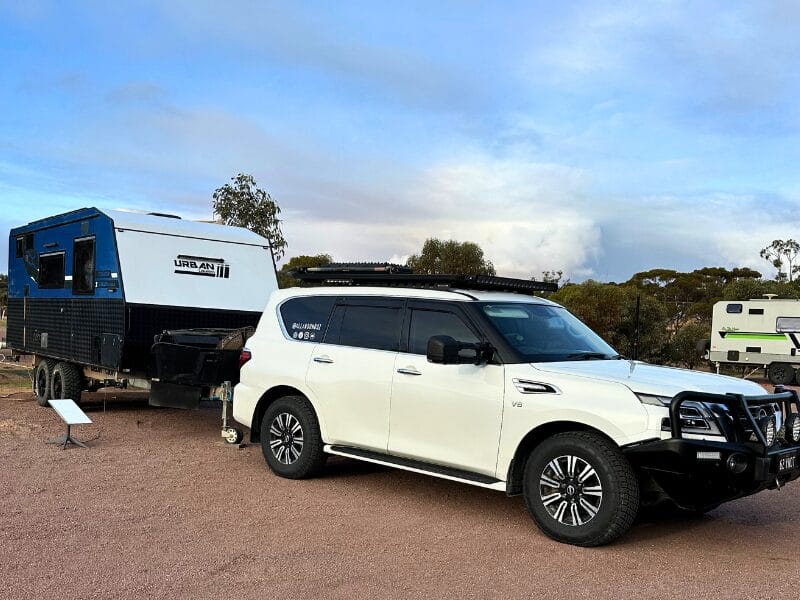
This is where tech flips the script.
Starlink has transformed how full-time lappers approach free camping. With reliable, high-speed internet in the most remote locations, more and more lappers are untethering from caravan parks simply because they don’t need them anymore for WiFi access.
Families homeschooling their kids, digital nomads (like me) working remotely, or retirees streaming news or FaceTiming the grandkids. They’re doing it all from bush camps, red dirt tracks, and beach fronts.
It’s not cheap to set up, but for many, Starlink has paid for itself in the first few months.
Use this link and get a month FREE when you join Starlink
5. How Most Experienced Lappers Mix It for the Perfect Balance

It’s not about choosing one over the other. It’s about knowing when to use both.
Most full-time travellers we’ve met follow an informal rhythm: free camp 3–5 nights, then hit a park for a couple of days to top up, reset, and take a long shower.
Caravan parks are great when:
- You need to recharge batteries or restock supplies
- The weather turns nasty (hot, cold or windy)
- You want to meet up with friends or give the kids a pool day
- You’re in a high-theft or high-traffic area where free camping feels unsafe
Free camps are brilliant when:
- You’re fully stocked and chasing a quiet night
- You’re craving solitude
- You prefer nature to having neighbours in a caravan park
- You’re between towns and just need a peaceful place to pull up
- You want to slow down and soak up nature without the hum of 30 vans around you
Final Thoughts: What Works for You Is the Right Choice
There’s no badge of honour for avoiding caravan parks, and there’s no shame in loving them. What matters is choosing based on your needs, your setup, and your comfort levels.
We’ve met lappers who never step foot in a park. And we’ve met those who’ve free camped once, hated it, and stuck to powered sites ever since. You don’t need to pick a side — just make a smart call each day, based on your gear, your gut, and your goals.
Do you prefer the buzz of a caravan park or the stillness of a free camp under the stars?
Got a favourite spot or a tip for staying safe off-grid and free camping in Australia? Share your best advice (or honest mistakes) in the comments, because someone out there is planning their first night on the road right now, and your experience might just steer them in the right direction.
Pin This

With years of experience travelling Australia in a caravan, I’m passionate about helping others embark on their own unforgettable adventures. From off-grid camping tips to expert advice on planning the ultimate big lap of Australia, I share stories, practical hacks, and inspiration to make your journey stress-free and exciting. Whether you’re a seasoned traveller or just starting out, join me as I explore the beauty of Australia, one road at a time!


Great article, thank you!
One question I have is how do you successfully free camp overnight in suburbia?
I read a post once where they stop in front of unit blocks for a night under stealth cover as each unit assumes it’s someone visiting another unit.
Interested to know how you navigated this?
TIA, Allan
Hi Allan
We don’t overnight in suburbia and we don’t support stealth camping.
Cheers
Annette
Great article weighing it all up! Thanks
You are welcome Cally!
Thank you for the helpful information you have written for novice travellers like me! I have been on the road since May and I’m staying in Darwin with family until the first week in October. Then my plans are still in progress,
1. Do I head across the Barkly to Townsville?
2. Do I head to Port Augusta and the do the Flinders Ranges?
Any thoughts would be very welcome.
Rhonda
Hi Rhonda
Thank you and you are welcome!
Both directions are fantastic road trips with plenty of things to see and do along the way.
Given the time of year, and depending if you like hot weather or not,maybe head south to SA.
It won’t be hellishly hot at that time of year, however, the weather has been all over the place in the past few years on the Qld coast.
I hope that helps!
Annette
Thank you Barabra
I agree with you, been traveling for nily 3 years now.
Love WA spend a lot of time north & south.
Take care 👋😀🌈
Excellent article! Travel full time in my Motorhome which I upgraded to be self sufficient. This year I have taken to free camping (4/3 or 5/2 days a week) and have had good experiences. Certainly enjoy my ‘luxury’ stays in caravan parks for the exact reasons you gave 🙂
Thanks Barbara
Hi Annette
Can you tell me are you really really happy with your Urban van?
Lynelle
Hi Lynelle
We’ve been very happy with it. You can read about it here where I have reviewed the van, service and warranties, plus lot’s of other information https://allaroundoz.com.au/urban-caravans-review/
Let me know if you have any other questions, happy to answer them.
Cheers
Annette