

POST UPDATED 4/1/2020 – Information is correct as of this date. All advice has been taken from the NSW Rural Fire Service Website. Leaving early (if you get enough warning) is always the best course of action.
Bushfire Safety is incredibly important no matter where you are or what your situation is. With the coming of summer in Australia, we are continually faced with the threat of serious bush fires occurring.
In recent years we have seen the devastating effects of bush fires, especially in Victoria where bush fires in 2009 claimed over 170 lives and destroyed hundreds and hundreds of homes and thousands of acres of bushland.
Many areas of Australia are currently experiencing severe drought conditions and bush areas are tinder dry.
So if you are travelling, caravanning or camping and you become aware of a bush fire burning in the area you are in, would you know what to do? Below is Bushfire Safety advice is taken from various Rural Fire Service (RFS) publications and websites. This is advice that could save your life and also prevent loss of property.

Fire Restrictions
Know what fire restrictions currently apply in the area you are staying. These can change rapidly. For your own safety and the safety of others, always comply with all Total Fire Ban restrictions.
Never ever light a fire during a Total Fire Ban.
Emergency Apps
There are now a number of different apps that you can download to your mobile phone which will alert you of fire conditions in your area. These can be downloaded from the Play Store on Android and the Apple Store on iPhone.
Select Your Camp Spot
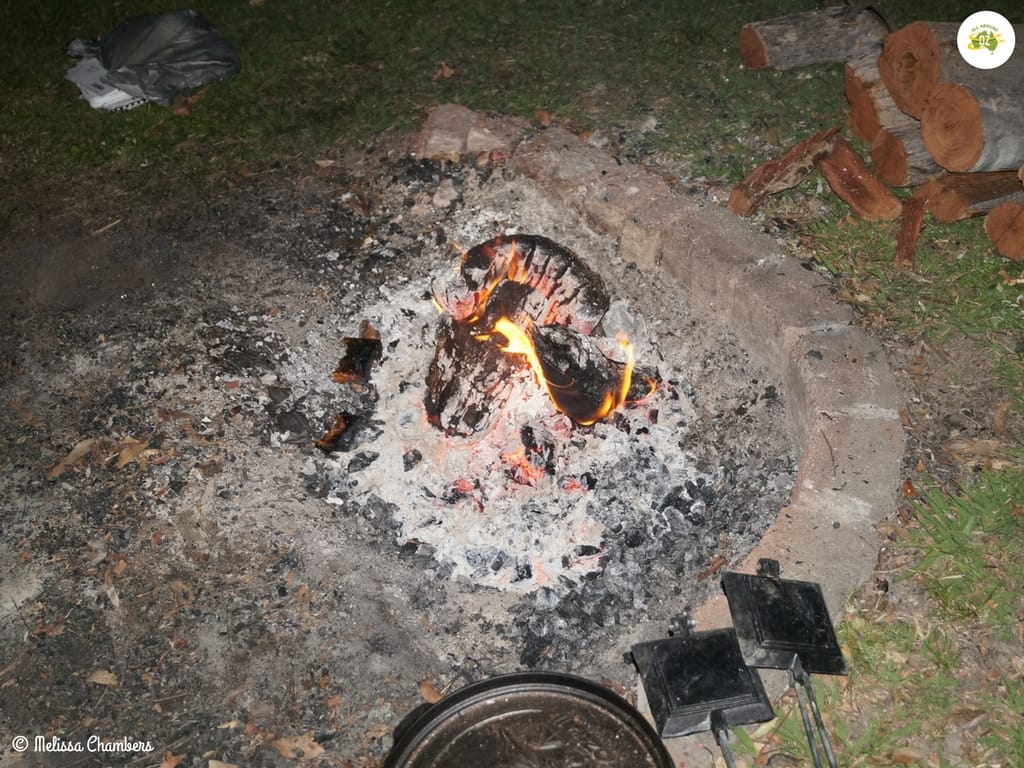
If you are camping, choose a spot that is well-clear of vegetation. It may be necessary to clear an area around your camp of any dried leaves, twigs and branches. If you are able to light a campfire, make sure the area around it is well cleared or that the fire is in a purpose-built fire pit.
Always fully extinguish the fire at night or before leaving the camp spot. Always use water to extinguish your fire not sand or soil. Fires covered with sand or soil can continue to smoulder and emanate heat for some time afterwards and could re-ignite or cause a serious injury to someone who unwittingly walks over the area.
Leave Early
Pack up and move to a safe location if you become aware of a bush fire in your area or if you are advised to do so by RFS staff or Police.
Change Your Plans
If you know there is a bush fire in the area that is your intended destination, consider making alternate arrangements. It may be a good idea to avoid travelling altogether on days of Total Fire Bans as fires can start and spread quickly.
Safety Equipment
Make sure that you have a working fire extinguisher and a fire safety blanket. A woollen blanket can also be used to shield yourself from the fire. This can also be damped down with water to offer more protection.

Monitor Media Outlets
Monitor the radio, TV, mobile phone and internet for bush fire alerts. Also if you have a CB/UHF radio turn this on and monitor the conversations.
Protective Clothing
If you do find yourself in a bushfire situation, put on protective clothing – a long-sleeved cotton shirt, long cotton trousers and boots, with cotton or woollen socks. Drink plenty of water to keep yourself hydrated.
Seek Shelter
If you are staying in a

Staying in Your Vehicle
If you are travelling and you get caught in smoke or flames stay in your vehicle and follow these tips:
- Turn on the vehicle’s headlights and hazard warning lights.
- If you need to shelter in your vehicle drive your car into a bare, clear area well away from surrounding trees or park behind a solid structure, leaving headlights and hazard lights on. Position vehicle to prevent side impact from advancing fire front.
- Close all windows and vents.
- Turn the engine off.
- Cover your entire body with woollen or cotton blankets to protect you from radiant heat.
- Take shelter below the window level.
- Drink water frequently
- Stay in the vehicle until the firefront has passed.
- Once the firefront has passed exit the vehicle to inspect the damage and ensure other passengers are safe.
Sheltering inside a vehicle is a high-risk strategy that can result in death. Whilst sheltering inside a vehicle offers you a slightly higher chance of survival than being caught in the open having a leave early strategy is a much safer option.
This list is by no means exhaustive and you should make your own Bushfire Survival Plan and discuss this with your family.
Further information on Bushfire Safety can be obtained by visiting your local Rural Fire Service website. In addition, current warnings and conditions can also be found on these sites:-
QLD – https://www.fire.qld.gov.au/about-us/frontline-services/rural-fire-service-queensland
NSW – http://www.rfs.nsw.gov.au/
ACT – https://esa.act.gov.au/actrfs/
VIC – http://www.cfa.vic.gov.au/
TAS – http://www.fire.tas.gov.au/
S.A – http://www.cfs.sa.gov.au/site/home.jsp
W.A – http://www.dfes.wa.gov.au/Pages/default.aspx
N.T – http://www.pfes.nt.gov.au/Fire-and-Rescue.aspx

Listen in to their podcast episode https://allaroundoz.com.au/podcasts/travelling-and-working-around-australia/
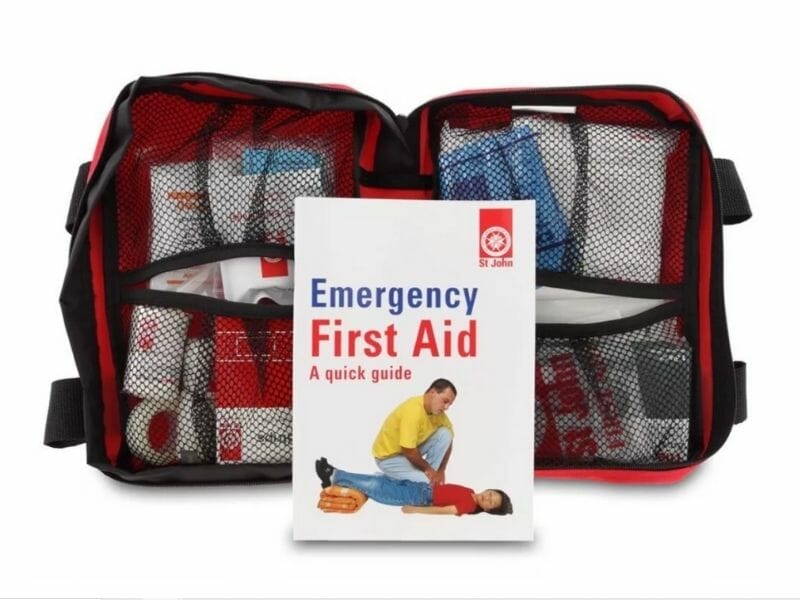


I like the idea of keeping a fire extinguisher with you. I have been thinking about going camping this summer, and I want to stay safe. I can see how having a fire extinguisher could help you prevent starting a bush-fire.
It’s a definite must for an emergency.