
Alternator Or DC-DC Charging
I have been asked a few times about the difference between DC-DC charging and simply charging with the vehicle’s alternator. So, I wanted to explain why we have a combination of both to handle All Around Oz’s power requirements in our BT50 and trailer.
This opinion is mine only from quite a few years of playing with 12V systems. We have a 220AH battery bank in the back of the BT50, a 210AH battery bank in the camper trailer and our new van will have a 360AH battery bank.
Charging With Your Vehicles Alternator
Charging your auxiliary battery bank with the alternator is simple, inexpensive, and easy. The advantage over a DC-DC system is a large charging current that brings low-charge batteries back to service fast. The disadvantage is that today’s Smart Alternators will wind the voltage and current back as the batteries are charged.
Very few alternators run over 14V, with most having a maximum of 13.6 to 13.8 volts. Late-model popular Gel and AGM batteries need up to 15 volts to get a 100% charge and keep these expensive batteries in top condition, and alternators can’t do this.
Charging With A DC to DC Charger
Charging your auxiliary battery bank with a DC-DC Charger is a more expensive setup. The significant advantage of a DC-DC charger is that it will be the best way to look after the batteries you rely on.
It has different programs for different batteries, and most of them have their solar regulator built in. You can feed the 22+ volts from your panels straight into the charger without concern about voltage drop.
The only real disadvantage of this charging system is that it charges much lower—usually around 20 to 30 amps. This is a big step back from the 120 amps or so from the alternator. If you have a large battery bank, as we have, then 20 amps can take a long time to charge to capacity.
A Combination Of Both
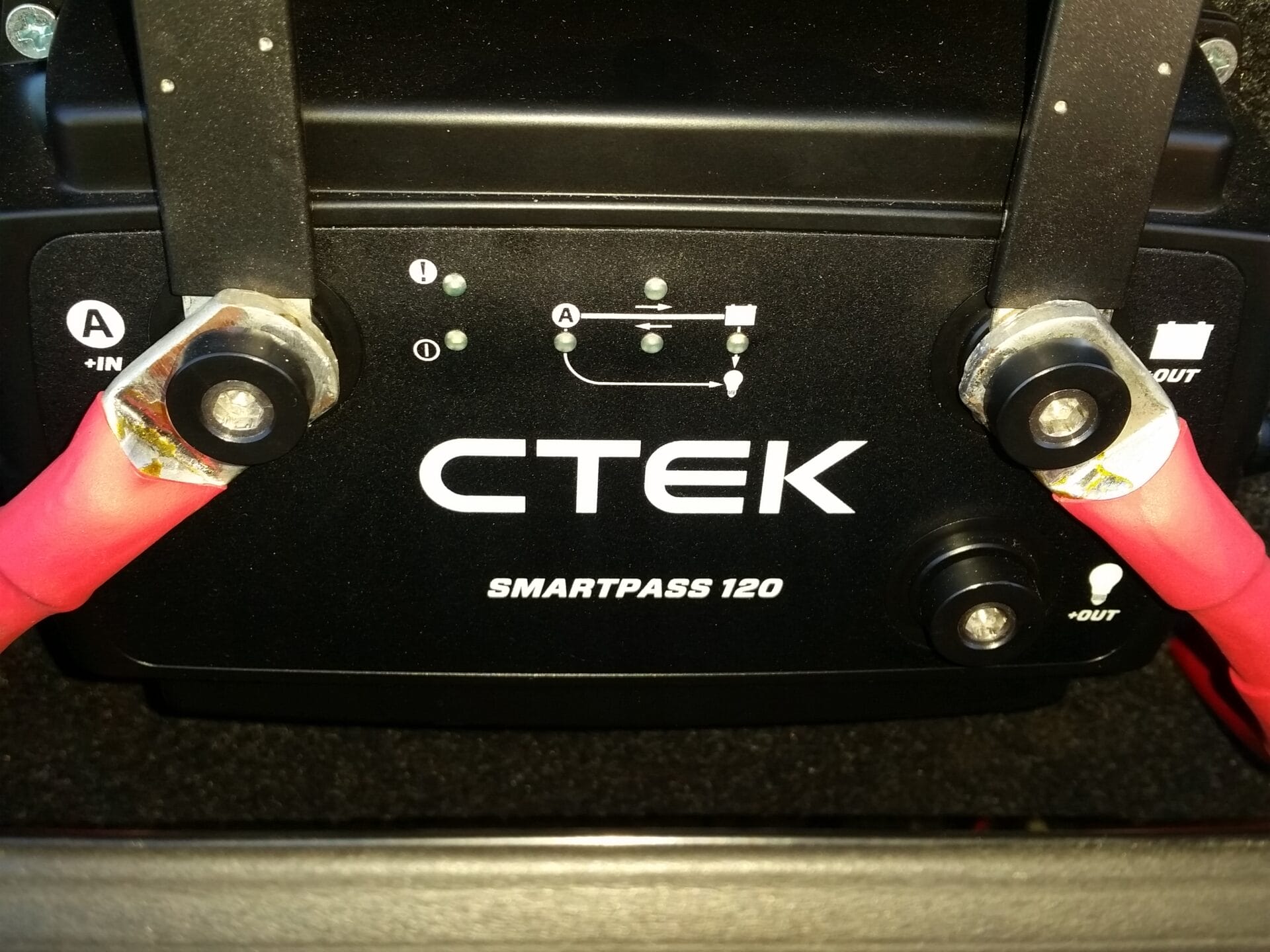
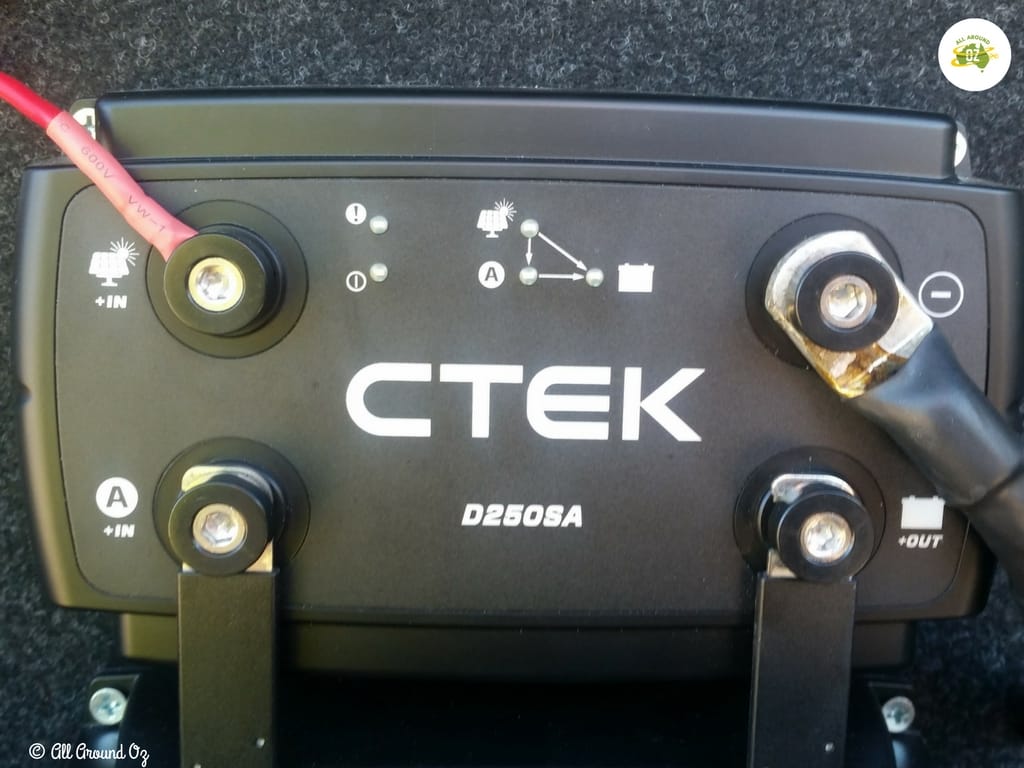
We have set up a combination of both in the All Around Oz BT50. The CTEK D250SA is coupled with the CTEK Smartpass120.
When the batteries are low from a busy day, as soon as the alternator kicks in and the Smartpass120 is happy with the charge rate, it links all the batteries in the vehicle together.
This gives the auxiliary batteries a total alternator charge rate. At this stage, the D250SA is also working to bring the charge voltage up to 14.8 volts—a perfect blend for the work we do and the large battery banks we have.

I have kept the technical information on these systems very brief. I have just listed the main differences between the 2 systems, so hopefully, you can see the pros and cons of both. You will find some more info in our YouTube video below.
We hope you found this comparison of the alternator or DC to DC charging helpful.
FAQ’s For DC DC Charging
Here are some common questions and answers for DC-DC charging.
Does DC Fast Charge Damage Batteries?
The main concern with DC fast charging is that it can damage the battery. However, DC fast charging should not damage the battery if used properly. The key is to make sure that the battery is not charged too quickly. When charging too quickly, the battery can overheat and be damaged. Therefore, following the manufacturer’s instructions when using DC fast charging is necessary.
When considering whether to use the alternator or a DC-DC charger to charge your auxiliary battery bank, there are several factors to consider. The first is the size of your battery bank.
If you have a large battery bank, you may want to consider using a DC-DC charger so that you can charge your batteries at a faster rate.
The second factor to consider is the type of battery you have. If you have a Gel or AGM battery, you must use a DC-DC charger to charge it at the proper voltage.
The third factor to consider is the cost of the two systems. An alternator is typically less expensive than a DC-DC charger.
In conclusion, both charging systems have pros and cons. When deciding which one to use, consider the size of your battery bank, the type of battery you have, and the cost of the two systems.
Why Is A DC Used For Charging Batteries?
A DC charger charges batteries because it can be regulated more efficiently than an AC charger. There is always some energy loss when an AC current is converted to DC. Therefore, using a DC charger helps ensure that the charger’s full power is being used to charge the battery.
An AC is also more likely to cause sparks than a DC. This is because the AC alternates between positive and negative charges. The positive charges can build up on the battery terminals and eventually cause a spark.
DC charging is more efficient than AC charging and is less likely to cause damage to the battery. Therefore, it is the preferred method for charging batteries.
How Long Does It Take To Charge A Battery With A DC Charger?
It depends on the battery’s size and the charger’s power. A small battery may only take a few hours to charge, while a large battery may take several hours.
Remember not to overcharge the battery. Overcharging can damage the battery and shorten its lifespan. Therefore, following the manufacturer’s instructions when using a DC charger is essential.
If you are unsure how long to charge your battery, it is best to err on the side of caution and charge it for a shorter time. You can always charge it for longer if needed, but you cannot undo the damage caused by overcharging.
Can I Use My Car Battery To Charge My Auxiliary Batteries?
Yes, you can use your car battery to charge your auxiliary batteries. However, it is essential not to overcharge the auxiliary batteries. Overcharging can damage the battery and shorten its lifespan. Therefore, following the manufacturer’s instructions when using your car battery to charge your auxiliary batteries is necessary.
It is also important to note that not all car batteries are the same. Some car batteries may not provide enough power to charge your auxiliary batteries. Therefore, it is essential to check with the manufacturer of your car battery to see if it is compatible with charging your auxiliary batteries.
What Is A Solar Charger?
A solar charger is a device that uses the sun’s energy to charge batteries. It comes in various sizes and wattages.
It is important to choose a solar charger that can properly charge your auxiliary battery. If you are unsure which solar charger to choose, consult the manufacturer of your auxiliary battery.
Can I Use A Solar Charger To Charge My Auxiliary Battery?
Yes, you can use a solar charger to charge your auxiliary battery. Solar chargers are a great way to keep your batteries charged without plugging them into an outlet. However, it is important not to overcharge the auxiliary batteries.
Overcharging can damage the battery and shorten its lifespan. Therefore, following the manufacturer’s instructions when using your solar charger to charge your auxiliary batteries is essential.
Solar chargers come in a variety of sizes and wattages. It is important to choose a charger that can properly charge your auxiliary battery. If you are unsure which charger to choose, consult with the manufacturer of your auxiliary battery.
How can I extend the life of my battery?
There are a few things that you can do to extend the life of your battery.
-Keep your battery clean. Dirt and grime can build up on the battery terminals and eventually cause damage. Therefore, it is vital to keep the battery clean and free of debris
-Check your battery regularly. It is essential to check your battery regularly for signs of damage. If you see any damage, replacing the battery as soon as possible is best.
Following these simple tips can help extend the life of your battery and keep it working correctly for longer.

With years of experience travelling Australia in a caravan, I’m passionate about helping others embark on their own unforgettable adventures. From off-grid camping tips to expert advice on planning the ultimate big lap of Australia, I share stories, practical hacks, and inspiration to make your journey stress-free and exciting. Whether you’re a seasoned traveller or just starting out, join me as I explore the beauty of Australia, one road at a time!
HI THERE.
WHAT SIZE CABLE IS SAFE TO USE FROM MAIN BATTERY TO CTEK 250SA AND THEN TO AUX BATTERYS WHEN LINKING WITH SMART PASS 120.16mm FLEX OR 25mm FLEX CABLE
Hi Johan,
To take full advantage of the Smartpass120’s ability to start your car from the auxillary battery you will need to run at least 35mm cable. The cable needs to be capable of supplying 300amps back to the starter motor if your starter battery fails. Have a look at the cable from the main battery to the starter. The cable from the Smartpass120 to the starter battery needs to be at least that heavy to fully utilise the Smartpass120 features.
Cheers
When you say an alternator can put out 120 amps current, are you saying the alternator can push 120 amps into the battery while only sitting at 13.8 or perhaps 14.1V?
I can never get more than 10mor 15 amps into a battery unless I apply a much larger voltage than 14V, or unless the battery is very discharged. But in that case the charge current drops off to 10-15amp very quickly once the battery gets some charge.
Alternators do back the charge off as the battery is charged. They are capable of high amps when the vehicle is supplying current to low batteries or high power demands from winches etc. That’s why it is best to run your engine while winching etc. The Smartpass120 will run the greater amperage when the capacity of the battery/s is down a long way. It does reduce the amperage considerably, like an alternator, as the battery bank gains charge. I have never used the full potential of the Smartpass but have used the ability to start the engine off the rear batteries. The extra cost of the heavier cables from front to back has paid for itself already for that remote start ability.
Cheers
Hi Melissa,
Does the Smartpass help produce extra cranking power from your batteries for an emergency start( im asuming they are AGM’s) …or do you have pre-selected high CCA (cranking power) output Auxilleries ??
Hi Glen,
If the Starter Battery is low then the Smartpass will direct power from the Auxillary batteries to assist the start. This feature has been utilised in our BT once.
Cheers
Brenden
Great article. I have used Traxide products for 15 years which also connects all batteries for charging. I like the option to back charge all batteries from the rear anderson plug. Give Tim a call he’s a wealth of informatiin and loves a chat.
Traxide for me too and Tim with many years of develpme t experiance can debunk alot of DC-DC sales pitches!
Great article. Explained in easy to understand way. Thanks
Thanks Mike. It had to be easy to understand for Mel!