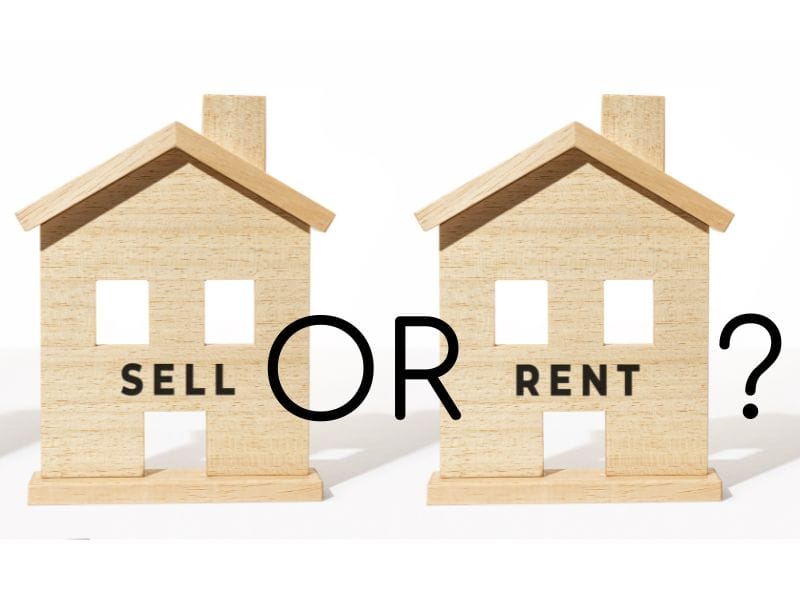
If you are planning a lap of Australia and wondering should you sell or rent your home before travelling around Australia, this post is for you!
It’s a decision that we thought about for a long while. And as we found out, circumstances change which I talk about at length below.
Travelling around Australia is a dream many of us share, but when it comes to making that dream a reality, there’s one major question that always pops up in our Facebook group: What do we do with the house?
It’s a decision that can be overwhelming—should you sell up and fully commit to life on the road, or rent out your home and have that safety net waiting for you when you’re done exploring?
Having been in the same position, we know this is more than just a one-size-fits-all answer. Both options have pros and cons, and what works for one couple might not suit the next.
In this post, I’ll explain the different possibilities. First, I’ll give you all the information you need to make an informed decision, and then I’ll show you what we did. Let’s dive in!
1. The Emotional Aspect: Are You Ready to Let Go?

Before you make any practical decisions, it’s essential to assess how you feel about your home. Selling is a big step, and for many of us, our home is filled with memories, security, and familiarity. If you’re emotionally attached, selling might feel like too big a step.
Renting, on the other hand, gives you the peace of mind that your home is still yours. You can return to it whenever you’re ready. It also eases the pressure of feeling like you’re making a permanent decision. But then again, if you’ve decided that life on the road is your new reality and you’re ready to embrace the unknown, selling can be an empowering choice.
2. Financial Considerations: The Numbers Matter

Finances are one of the most significant factors when deciding whether to sell or rent your home when you decide to travel around Australia. Let’s start with renting.
If your mortgage repayments are relatively low and your rental market is strong, renting your home could provide a nice monthly income while exploring Australia. This income could cover your mortgage and some of your travel costs.
But remember, renting isn’t a hands-off option. You’ll need to factor in property management fees, maintenance, and potential vacancies. In some cases, the rent may not cover the full cost of your mortgage and upkeep.
Selling, on the other hand, gives you a lump sum upfront. You can use this cash to fund your travels and even invest elsewhere. However, once it’s gone, it’s gone. You might come back from your travels to a much different property market, which could make it harder to re-enter.
We’ve met couples on the road who can’t get back into the property market because of the gap between when they sold and the inflated property prices since.
3. Lifestyle Changes: Do You Plan to Settle Again?

Think about where you see yourself after your big lap of Australia. Are you planning on settling down in the same city, or are you open to moving elsewhere?
If you know you’ll want to settle back into the same area after your travels, keeping your house makes sense. Renting it out gives you the security of knowing you have a home to come back to, and you won’t have to worry about buying in a new market.
However, if you’re the type of person who likes to go with the flow and you’re not tied down to one location, selling might be the right move. You can finish your travels with the freedom to explore new housing markets and areas.
4. Property Market Conditions: Sell High or Hold Tight?

One thing you’ll want to pay close attention to is the property market. Is your area booming right now? If the market is hot, selling could put you in a position to make a tidy profit. That profit could be the foundation for a new life once you’ve finished travelling.
But markets fluctuate, and if you’re in a downswing, you might want to hold onto the property for a few more years until prices improve. Renting can act as a stopgap, giving you income while you wait for the right time to sell.
5. Freedom vs Security: Weighing Your Priorities

Travelling around Australia requires flexibility and adaptability, and depending on your approach to life, selling or renting can significantly impact your mindset.
Selling gives you ultimate freedom. No strings attached, no responsibilities waiting for you back home. It’s a clean break, and for some, that’s incredibly liberating. You’ll have a clear head, focused entirely on the road ahead.
On the other hand, keeping your home and renting it out gives you a sense of security. You know you have something to fall back on. It can provide mental comfort knowing that, no matter what, you’ve got a place to return to.
6. Legal and Tax Implications: Don’t Forget the Fine Print

Both renting and selling come with their own legal and tax responsibilities. If you decide to rent, there are landlord laws you’ll need to follow, as well as landlord insurance to consider. You’ll also need to pay tax on rental income.
Selling is simpler in that sense, but you may be subject to capital gains tax if it’s not your primary residence, or if there are complexities around ownership. Always talk to a financial advisor before making the final call—there can be hidden costs you haven’t thought about.
7. Maintenance and Management: Hands-On or Hands-Free?
If you decide to rent, you’ll need to decide whether you’ll manage the property yourself or hire a property manager. Handling it yourself could save you money, but it also means dealing with any issues from afar—broken appliances, tenant disputes, or repairs.
A property manager will take care of these things for you, but at a price—usually around 7-10% of your rental income. It’s important to weigh whether you want the hassle or if you’d prefer a hands-off approach while travelling.
Selling, of course, eliminates this stress entirely. Once the house is sold, you’re free to go without a backward glance.
8. The Opportunity to Invest Elsewhere: Selling Opens New Doors

Selling your home doesn’t just provide travel funds—it also gives you the chance to invest in other opportunities. Whether it’s stocks, a rental property elsewhere, or a business venture, the money you make from selling could grow in ways you wouldn’t have thought of before.
That said, renting still keeps the property as an investment, which can increase in value over time. It’s a longer game, but for some, it’s the smarter option.
9. The Final Decision: Pros and Cons of Selling vs Renting
To help you make the decision, here’s a quick rundown of the pros and cons:
Renting Pros:
- Steady income while you travel
- Keeps you on the property ladder
- Allows for flexibility to return
- Potential for property value to increase over time
Renting Cons:
- Ongoing responsibility for maintenance and tenants
- Vacancies or bad tenants could affect income
- Property management costs eat into profits
- Still tied to one location
Selling Pros:
- Immediate cash flow for travel or investments
- No responsibilities back home
- Freedom to move anywhere once your travels are done
- No risk of property market fluctuations
Selling Cons:
- No safety net of a home to return to
- Could miss out on property market gains
- Buying back into the market may be difficult or more expensive later on
Here’s What We Did
We lived on the Gold Coast for 14 years in a lovely two-bedroom apartment that served us well for so long. When we decided to start our travels, we put it on the market, hoping to sell and use the funds for our new adventure.
Unfortunately, despite being listed for several months, it didn’t sell. We were left at a bit of a crossroads, unsure what to do with the property.
That’s when Kev’s brother stepped in with a potential solution. Being a registered real estate agent, he had set up an Airbnb management business about a year earlier, and after a long chat with him, we decided this could be a great fit for us.
We didn’t take this decision lightly, but the idea of renting the apartment on Airbnb made sense for several reasons.
First off, the apartment would have regular cleans—something we wouldn’t necessarily have with a long-term tenant (we are speaking from previous experience). Since it would be occupied for shorter periods, there would be regular opportunities for deep cleaning between guests, keeping everything fresh and well-maintained.
In addition, frequent maintenance checks would be easier to manage, with any issues spotted early by the Airbnb management team.
Another big factor was the potential for higher returns. The Gold Coast is a popular tourist destination, and we figured the income from holidaymakers could outweigh the consistency of a long-term lease.
Plus, with Kev’s brother managing it, we knew the place would be in good hands – and yes we paid Kev’s brother a management fee!
We Moved To Hervey Bay
In February 2023, we officially left the Gold Coast and headed to Hervey Bay to tackle an ongoing project—renovating Kev’s house. We’d started several months earlier, around the time our first Y62 caught fire.
This house had been rented out for several years but wasn’t in the best condition. Despite the tenants owning a property maintenance business (of all things!), we discovered that they hadn’t done a great job looking after the place.
To make matters worse, the real estate property managers who were meant to conduct regular inspections had completely dropped the ball, leaving many issues unattended. Including allowing an outdoor setting and dining setting to be stolen from previous tenants!
And the once luscious tropical gardens looked more like an overgrown jungle in some areas and baron as the dessert in others.
This is one of the big downsides of long-term rentals. Even with a professional agent, things can slip through the cracks, leaving you to pick up the pieces.
After months of renovations, we got the house back in shape and continued our preparations for life on the road.
Then This Unexpectedly Happened
Fast-forward about twelve months, and we were fully immersed in our travels around Australia when, out of the blue, a real estate agent from the Gold Coast contacted us.
He was keen to list our apartment for sale, advising the market had picked up, and he was confident he could get a higher price than what we had originally listed it for 12 months earlier.
At this point, we had already made the decision that Hervey Bay would be our home base. We no longer had plans to return to live on the Gold Coast, so it felt like the right time to sell. We listed the apartment with the agent and crossed our fingers.
A few months later, the market really heated up, and he managed to sell the apartment for a significantly higher price than what it had been listed for previously. It was one of those moments where everything just worked in our favour, and we couldn’t have been happier with the outcome.
As of now, Hervey Bay remains our home base, and when we’re done with our travels around Australia, we’ll return to live in the house there.
Looking back, the decision to initially rent out the apartment on Airbnb gave us the breathing space we needed, while selling at the right time provided us with the funds to support our journey.
The experience also taught us some valuable lessons about renting out properties. While Airbnb provided regular cleaning and maintenance, long-term rentals can be riskier if you don’t have reliable tenants or a diligent agent. It’s always worth considering all your options before making a decision!
It also taught us that flexibility is the key, as even well-made plans can change.
Final Thoughts: Which Option Fits Your Lifestyle?
Ultimately, deciding to sell or rent your home before hitting the road depends on your lifestyle, financial goals, and long-term plans. For some, letting go of everything is exhilarating—selling frees you from responsibility and provides immediate funds. For others, the safety net of having a home waiting for you is worth the effort and commitment of renting it out.
Whatever you decide, one thing’s for sure: the road is calling, and it’s time to answer.
Pin This:

With years of experience travelling Australia in a caravan, I’m passionate about helping others embark on their own unforgettable adventures. From off-grid camping tips to expert advice on planning the ultimate big lap of Australia, I share stories, practical hacks, and inspiration to make your journey stress-free and exciting. Whether you’re a seasoned traveller or just starting out, join me as I explore the beauty of Australia, one road at a time!