
We often get asked what sort of basic safety gear we carry with us when we are camping or four-wheel driving. This depends a lot on what type of travel you like to do. If you are heading somewhere really off-grid, then what you carry might be different if you are just going for a bushwalk.
Listed below is some basic safety gear that we carry with us all the time.
FIRST AID KIT
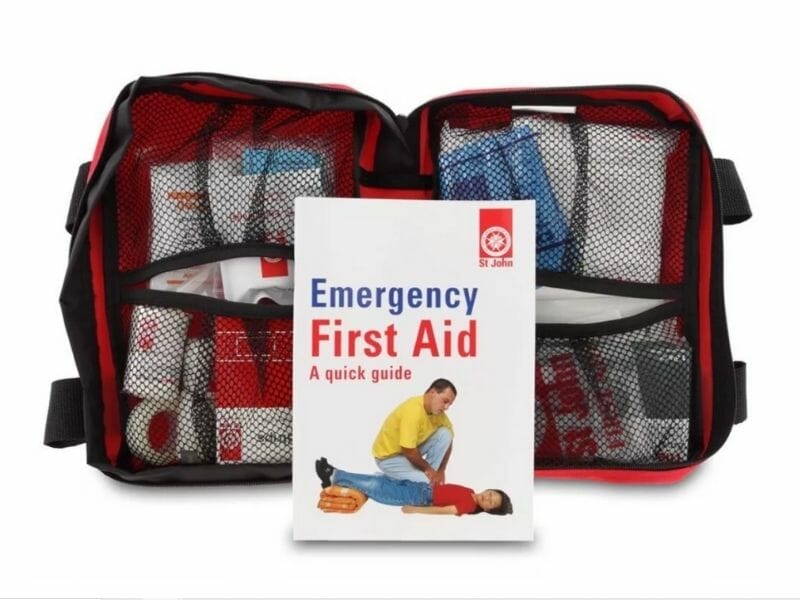
At the very least you need a good First Aid Kit. The size of this kit and the items in it will very much depend on how remote an area your travels may take you to. If you are going into areas that are very remote you will need to take a well-stocked first aid kit with you.
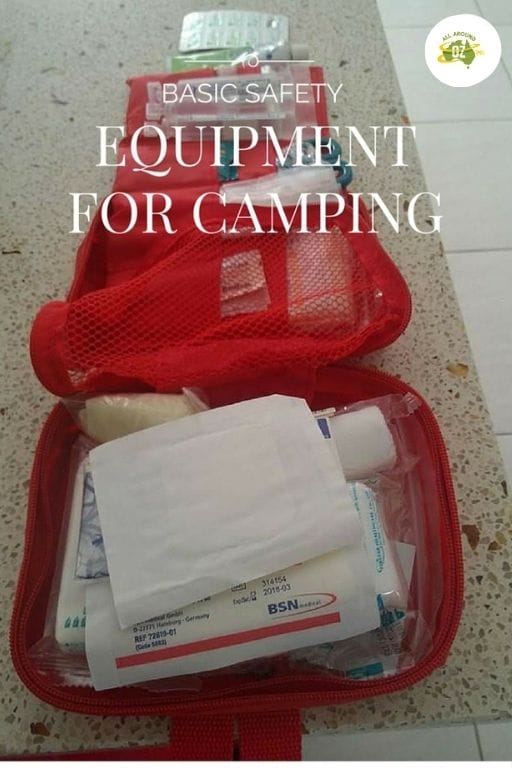
We have a medium size pouch style kit that zips up and becomes nice and compact so you can fit it anywhere in your vehicle. It can also be worn on your belt or carried in a backpack if you going bushwalking.
Some of the items that this contains are:-
- Pocket resuscitation mask
- Silver emergency blanket
- Scissors
- Gauze Pads
- Triangular Bandage (sling)
- Bandaids
- Tweezers
- Splinter Digger
- Saline Solution
- Bandages
- Rubber Gloves
- Antiseptic Cream
- Paracetamol
- Small First Aid Booklet

With this kit, you should be able to render first aid for any minor emergencies that might crop up. Always keep your First Aid Kit stored in an area of your trailer or vehicle that is quickly and easily accessible in the event of an emergency. You don’t want to be unpacking the whole trailer or vehicle just to get the kit out. If you have not already done so, you might want to consider doing a First Aid Course. This could be the best investment you ever make if it ends up saving someone’s life.
You also need to check the contents of this kit at least every few months as some items do have expiry dates on them. Remember to quickly replace items that you have used or that have reached their expiry date.
FIRE EXTINGUISHER
A fire extinguisher is a must in your vehicle and also in your
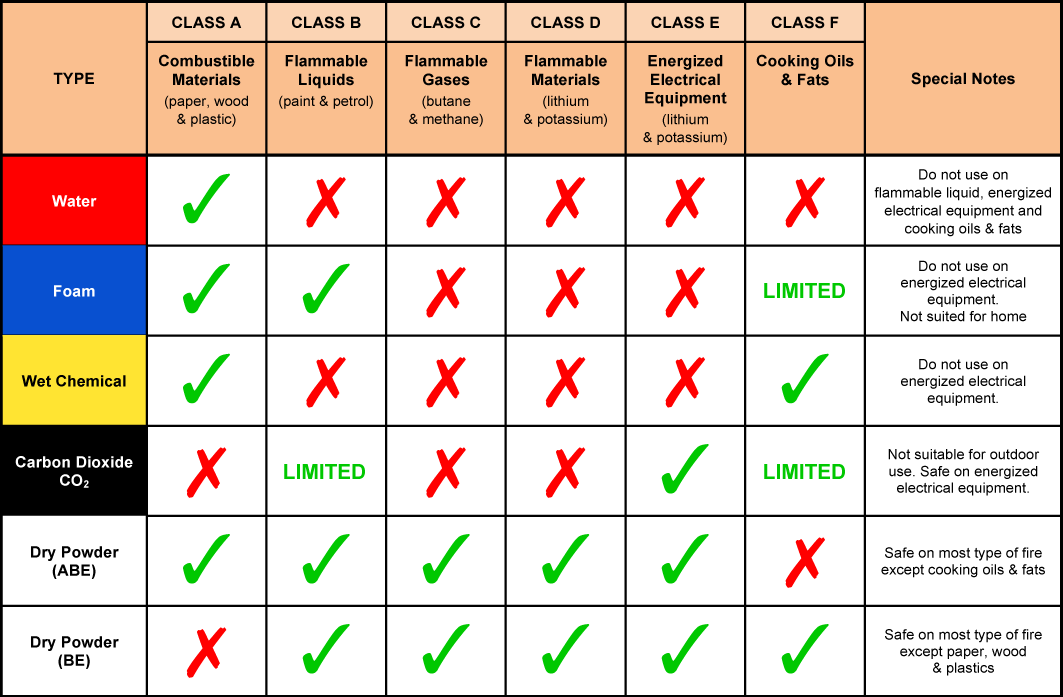
There are six classes of fire: Class A, Class B, Class C, Class D, ‘Electrical’, and Class F.
– Class A fires – combustible materials: caused by flammable solids, such as wood, paper, and fabric
– Class B fires – flammable liquids: such as petrol, turpentine or paint
– Class C fires – flammable gases: like hydrogen, butane or methane
– Class D fires – combustible metals: chemicals such as magnesium, aluminium or potassium
– Electrical fires – electrical equipment: once the electrical item is removed, the fire changes class
– Class F fires – cooking oils: typically a chip-pan fire
JUMPER LEADS
Heavy-duty jumper leads are another must-have item. As we have a dual battery system in our vehicle we can use these to jump-start our vehicle should our main battery go flat, but it might also help out someone else on the side of the road.
Always make sure that your vehicle is mechanically sound before leaving on a trip and ensure that you have spare tyres which are fully inflated and in good repair. If travelling to remote areas, you might like to consider carrying extra water and fuel.
RECOVERY GEAR
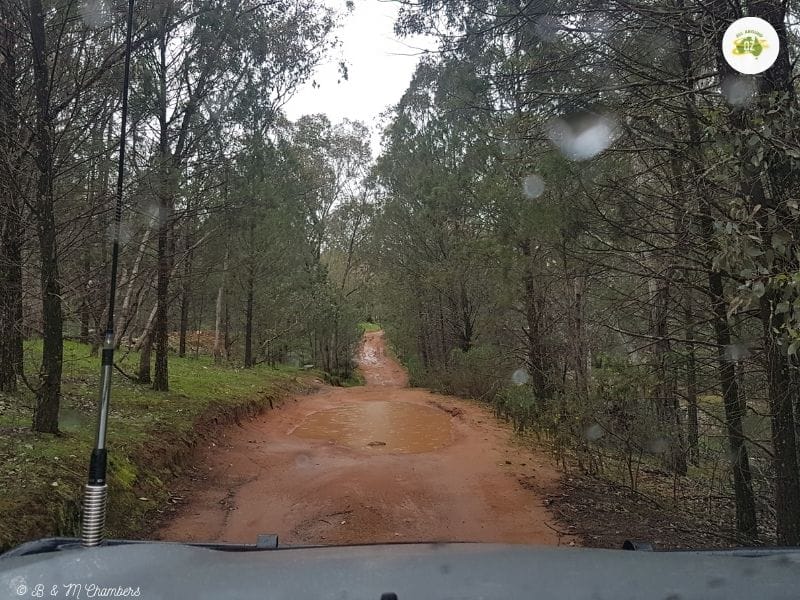
For the more serious 4WD enthusiast, you may also need to consider vehicle recovery gear. At a minimum you should carry a set of recovery tracks, a small air compressor and a snatch strap. These are especially important if you are going to be driving in sandy areas or areas that have water crossings or have had high rainfall events. You can read our post on Driving on Sand for more recovery gear advice.
PIN THIS:

Listen in to their podcast episode https://allaroundoz.com.au/podcasts/travelling-and-working-around-australia/


Great list, Melissa! I believe in some states (NSW?) it is mandatory to have a smoke alarm fitted in your trailer too. And we recently saw a TV program about tick bites which said the safest way to remove them so you don’t risk potentially life threatening toxins being injected is to use a freezing product like Wart-off or Skin Tag remover to freeze them off! That’s certainly going in our First Aid kit!!
I know you have to have a smoke alarm in a caravan….not sure about a camper trailer though. I’ve never had a tick, but I’m sure I will eventually get one!