
There is no doubt that the invention of GPS (Global Positioning System) Navigational Systems is one of the cleverest of our times. GPS’ now come in so many types and sizes – in car, apps on our phones, or dash mounted units. I don’t know of many people who don’t use one in some form. For some they have completely replaced paper maps. Many drivers completely rely on the guidance of these units to navigate their way around. But what happens when your GPS gets it wrong?
CAN A GPS GET IT WRONG?
Just recently I had to head down to Byron Bay from home on the Gold Coast. Now, I know where Byron Bay is and how to get there. But I wanted to set the GPS so as I would have a rough idea of how long it would take me and also so as I would know where to go when I got to Byron Bay itself.
Using the in car navigation system in the BT50 I punched in the address of where I was going and I was then given 3 navigation options to choose from – ECO, FAST or SHORT. I hit ECO as I thought I’m going straight down the motor way so it won’t make much difference.
GETTING IT WRONG
It wasn’t until I was out onto the motor way that I noticed the GPS was telling me that my trip was going to take me two hours. However, I knew that it should only take me about an hour and fifteen minutes or an hour and a half if the traffic was bad.

It was then I realised that the GPS wanted me to turn off the motorway and travel inland via the Gold Coast Hinterland and Murwillumbah instead of going straight down the motorway. I know this road well. It is narrow and quite windy and I’m pretty sure it would have taken me longer than two hours had I followed the GPS and gone that way.
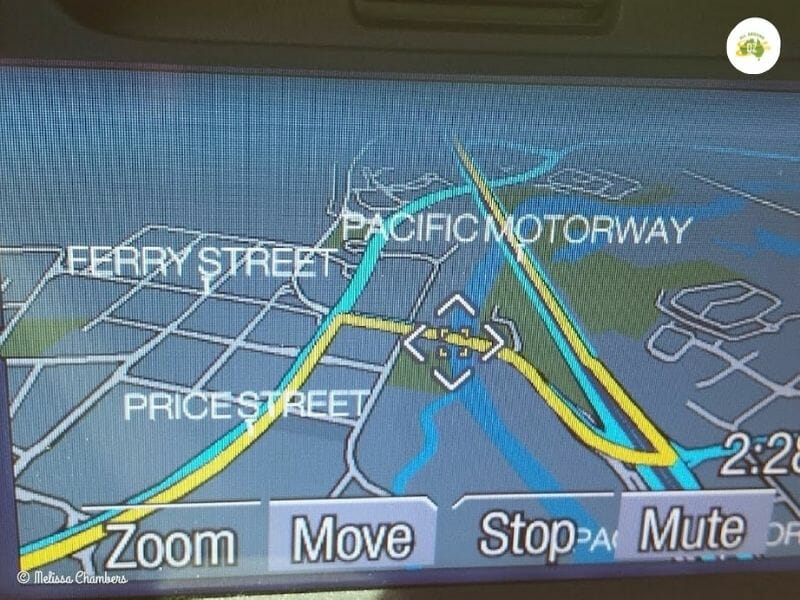
However what if I was not a local and I followed the GPS instructions? I would have been late for my meeting. Not to mention the extra petrol I would have used and the stress I would have felt at knowing I was going to be late.
There have been a number of recorded incidents in recent years of people following their GPS unit’s and ending up hopelessly lost.
NAVIGATION TIPS
My best advice is to use a combination of paper maps and your GPS to navigate your way around.
- Don’t rely completely on your GPS unit
- Research the purchase of a GPS carefully.
- Read reviews etc to ascertain the best type for you
- Buy one that is most suited to your purposes
- Make sure that you keep your GPS up to date with the manufacturers recommended updates. It can sometimes take awhile for new roads to be added.
- When travelling in unfamiliar territory use a good quality paper map to do some route planning first. Then you will have a rough idea of where you are going prior to setting the GPS.
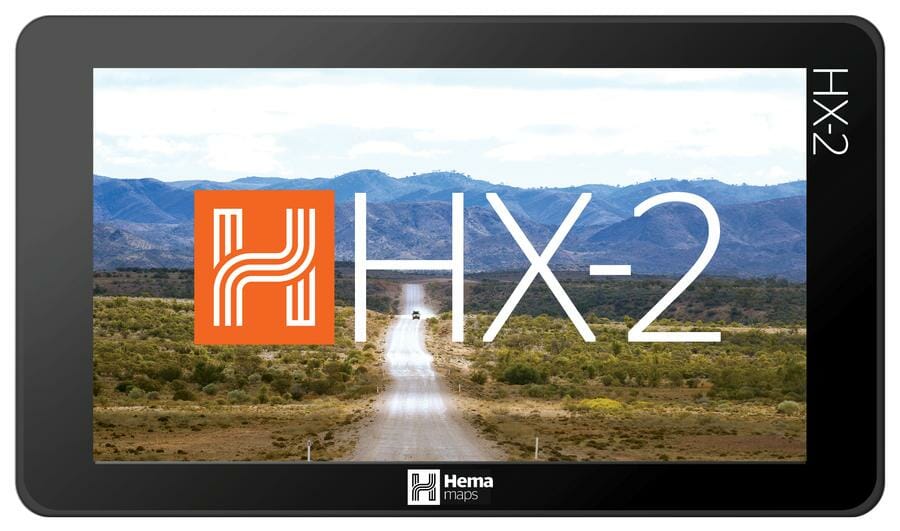
- If you are going off road a great feature of the Hema Navigator is the ability to be able to set a breadcrumb trail so you can retrace your route if necessary.
Have you ever been sent the wrong way by your GPS? What did you do?

Listen in to their podcast episode https://allaroundoz.com.au/podcasts/travelling-and-working-around-australia/