How to Choose a Caravan for a Big Lap: What to Know Before You Buy
Buying a caravan for a Big Lap is a pretty exciting part of the planning process. It’s also one of the biggest purchases most of us will make, and there’s a lot more to getting it right than choosing a floor plan you love and deciding how many batteries and solar panels you want.
Walk around any caravan show and it doesn’t take long before all the vans start blending into one another. There are different construction methods, suspension systems, weights, warranties, inclusions and claims about off-road capability to somehow compare. Then there are all the extras you can add, and it’s very easy to get caught up in what looks good without thinking about what you’ll actually need once you’re travelling.
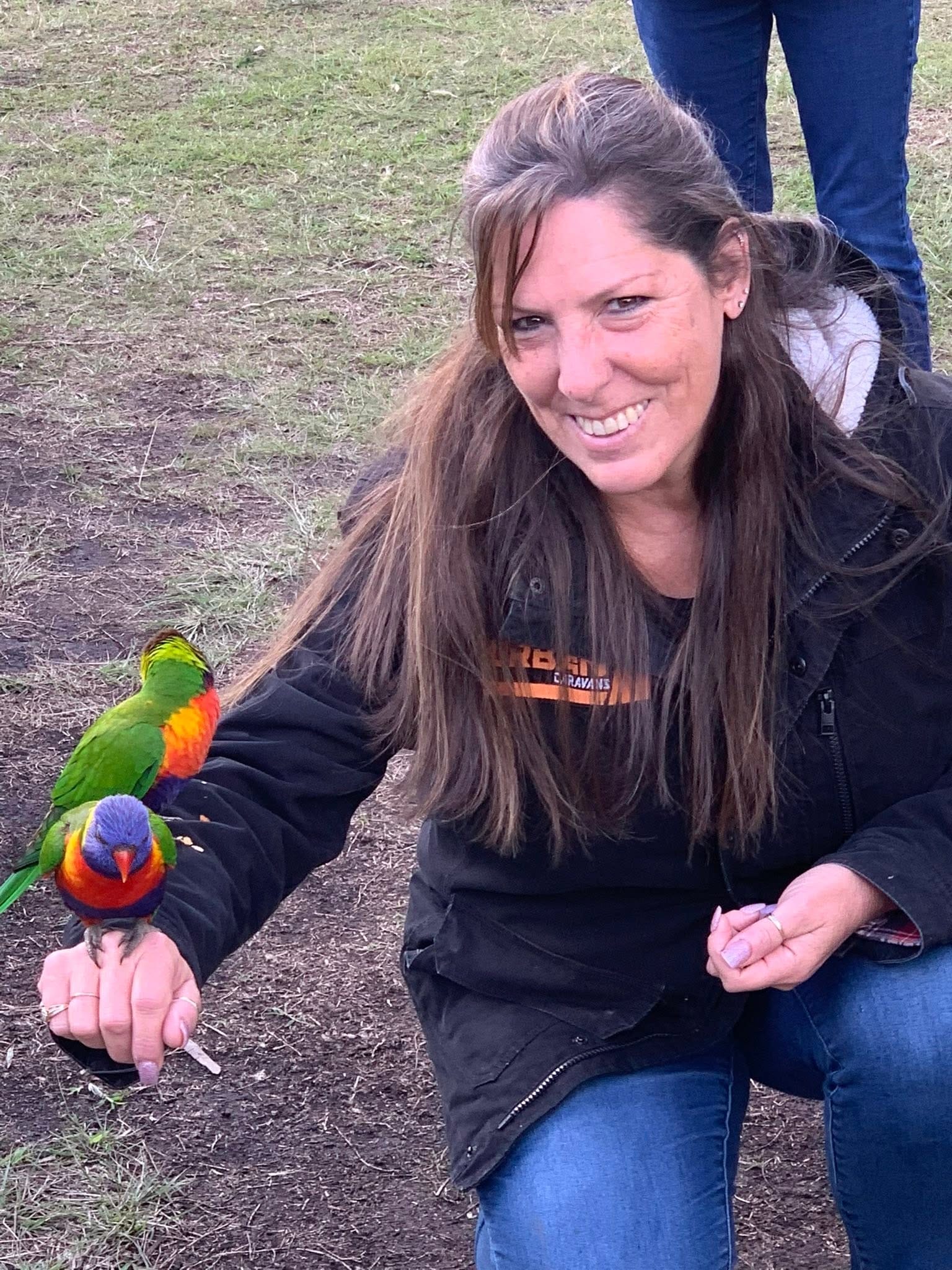
For this episode of Big Lap Chats, I chat with Sheree Parsons from the Urban Caravans sales team about what buyers should really be looking at before handing over their money.
Sheree has spent years talking with caravan buyers at dealerships and shows, which means she’s seen the decisions people are glad they made and some they probably wish they’d thought through a little more carefully.
Start With How You Actually Want to Travel
Before you start comparing caravan brands, Sheree says you need to think about what you intend to do with the caravan.
Are you mainly planning a big lap, or do you plan to stay in caravan parks and established campsites? Do you want to free camp regularly? Are you planning to tackle rough and unsealed roads? Do you genuinely need an off-road caravan?
That distinction matters because you may not need the heavy-duty suspension, construction and equipment that comes with a caravan designed for more demanding conditions.
It can be tempting to walk into a caravan show, see the biggest and toughest-looking caravan on display and decide that’s what you need. But you're potentially paying for equipment and carrying additional weight that doesn't suit the way you intend to travel.
We knew before buying our caravan that we wanted to travel off-road, but even then we had to work out what “off-road” actually meant for us. It was one of the reasons it took us so long to decide what caravan to buy.
Rather than starting with a brand or model, start by working out where you want your caravan to take you and how you expect to use it.
How Much Weight Can Your Caravan for a Big Lap Carry?
One of the biggest mistakes Sheree sees buyers make is also one of the most important: not paying enough attention to weight.
It’s very easy to keep adding extras while you're ordering a caravan.
Another battery sounds useful. So does another water tank. Then there’s an extra solar panel, a generator, a bigger fridge, an additional jerry can or another storage option.
Individually, they might not sound significant. Together, they can make a substantial difference.
As Sheree put it during our chat:
“Everything that you add costs you money, and everything you add costs you weight.”
That weight doesn't disappear once you take delivery of the caravan.
You still have to add your clothes, food, water, camping gear and everything else you're planning to carry around Australia. Your caravan also needs to remain within its legal weight limits and work safely with your tow vehicle.
Sheree suggests doing some homework before ordering extras. You can find the approximate weights of many of the things you intend to carry and start calculating what all those seemingly small additions could mean for your available payload.
This is one area where getting carried away with the extras can come back to bite you later.
What Size Caravan for a Big Lap Do You Need?
There isn't one perfect caravan size for travelling Australia, because couples and families use their vans very differently. But there is something people can underestimate when imagining life on a Big Lap: you won't always be living outside.
Sheree and her husband Bill (Urban Carvans National Brand Manager) have travelled in smaller Urban caravans, including a 16-foot van and an 18'6" model. For shorter trips, a smaller van can work extremely well.
For an extended lap, however, Sheree believes around 20 feet can be a comfortable size for a couple and says it is also one of the most popular sizes across their ranges.
I could relate to her reasoning. Big Lap life tends to be sold with endless blue skies, campfires and sunsets, but Australia doesn't always cooperate. We've had plenty of times when rain or bad weather has kept us inside the caravan for days. When that happens, “we live outside anyway” suddenly isn't much help.
If you're going to live in your caravan for a year or more, think about how the space will work when you're both inside it for extended periods, not just how it feels during a ten-minute walk-through at a caravan show.
That doesn't mean everyone needs a 20-foot caravan. It means your decision needs to take your real travelling life into account.
Look Beyond the Shiny Stuff
This was probably one of my favourite points from our conversation. Sheree describes caravans as essentially “boxes on wheels.”
When you walk around a caravan show, particularly if you're new to caravanning, they can start to look remarkably similar. You'll see many of the same appliances, windows, hatches, ovens and microwaves.
Sheree's advice is to stop concentrating solely on what you can see.
Find out what's between the walls.
How is the caravan constructed? What is the frame made from? How is it joined? How is the furniture constructed and secured? What suspension is underneath it? Why has the manufacturer chosen those particular construction methods?
This was something that stood out to us when we were researching our own caravan.
At one of the first caravan shows we attended, Bill from Urban demonstrated the TIG welding used on their aluminium frames. I know very little about welding, but being able to physically see the construction and understand why they built the frame that way made far more sense than simply being told that the caravan was “built tough”.
If you're comparing caravan brands, look for manufacturers that are prepared to explain and demonstrate how their caravans are actually built.
Research the Manufacturer as Carefully as the Caravan
Recent caravan manufacturer closures have understandably made buyers nervous about paying deposits on new caravans. Sheree's advice is to look beyond the caravan itself and investigate the business behind it.
How long has the manufacturer been operating? Who are you actually purchasing the caravan from? Is it through an independent dealership or directly from the manufacturer? What deposit are you being asked to pay? Are there progressive payments during the build?
During our interview, Sheree brought Bill into the conversation to explain how the dealership and deposit system works because the requirements can vary between Australian states.
One particularly interesting point was the difference between buying through a licensed motor dealer and dealing directly with a manufacturer.
Depending on the state and circumstances, licensed dealers may have protections associated with their licensing arrangements. The exact rules vary, so buyers should check the protections that apply in their own state rather than assuming their deposit is protected.
Urban's current process, Sheree explained, is generally a 10% deposit with the final payment made at pickup rather than progressive payments throughout a standard build.
A highly customised caravan can be different because a dealer or manufacturer may reasonably require additional financial commitment if the van would be difficult to sell should the buyer pull out.
The important takeaway is to understand exactly who holds your deposit, when further payments become due and what protection you have if something goes wrong before you sign the contract.
After-Sales Support Matters Too
You can spend months researching which caravan to buy and almost no time investigating what happens after you take delivery.
That's a mistake.
Look at the manufacturer's warranty process, its dealership network and how owners are supported when something goes wrong.
No manufacturer is going to have a perfect record. Caravans contain components and appliances from numerous suppliers, and sometimes things fail. A problem with an appliance fitted inside the caravan isn't necessarily a failure in the caravan's construction either.
What I would be looking for is a pattern. If you repeatedly see owners reporting the same unresolved problems or having difficulty getting support, that's worth investigating further.
Also ask what the warranty process actually involves. Who do you contact first? Can repairs be arranged while you're travelling interstate? Does the manufacturer have authorised repairers around Australia? What happens if a component supplied by another company fails?
Those questions become considerably more important once you're thousands of kilometres from the dealership where you bought the caravan.
Think About the Small Things You'll Live With Every Day
Some caravan features don't seem terribly important until you've lived without them.
For me, that's a heater.
We didn't include one when our caravan was built because we had reverse-cycle air conditioning and didn't expect to spend much time travelling in cold weather.
That theory hasn't exactly worked out.
We've spent far more time in cold conditions than expected and, as I remind Kev and mention during this interview, we're not going to Tasmania without a heater!
Sheree also mentioned split windows as an inclusion more buyers are requesting. Being able to leave the top section open while keeping the bottom closed can provide airflow while offering a little more security.
These aren't necessarily features every Big Lap caravan needs. They're examples of why it's worth talking to people who have actually lived in their caravans before finalising your build.
Ask them what they use constantly, what they rarely use and what they would change if they ordered another van tomorrow. Those answers can be far more useful than another list of optional extras.
Do Your Homework Before You Buy A Caravan
There are a lot of decisions involved in choosing a caravan for a Big Lap, and it's easy to become overwhelmed by them. Start with the fundamentals.
Work out how you want to travel, where you realistically want to take the caravan and how much space you need. Understand your weights before loading the van with extras. Research how different caravans are constructed and investigate the manufacturer and dealership behind the product.
Then start thinking about all those lovely extras.
Because the best caravan for your Big Lap isn't necessarily the biggest, toughest or most expensive caravan at the show. It's the one that suits how you are actually going to travel around Australia.
In this episode of Big Lap Chats, Sheree and I get into much more detail about buying a caravan, including construction, caravan weights, deposits, dealer licensing, warranties, after-sales support and the things owners often wish they'd included.
If you're currently researching caravans for a Big Lap, it's well worth listening to this conversation before you sign on the dotted line.
Listen to the full Big Lap Chats episode with Sheree Parsons from Urban Caravans, or watch our chat on YouTube.
Sheree Parsons
Urban Caravans Sales Team
Sheree Parsons is part of the sales team at Urban Caravans, but selling caravans wasn’t always part of her career plan. After making a career change later in life, Sheree found herself helping people navigate one of the biggest and sometimes most confusing purchases they’ll make before hitting the road.
Over the past five years, she’s developed a real passion for helping buyers understand what they’re actually buying, from caravan construction and weight to the little inclusions that can make a big difference once you start travelling.
Along with her husband Bill, Sheree has also spent plenty of time around Urban owners and on the road in different Urban vans, giving her a good understanding of the questions buyers have before they become experienced caravan owners.
As an Amazon Affiliate we earn from qualifying purchases
All Around Oz acknowledges the Australian Aboriginal and Torres Strait Islander peoples as the first inhabitants of the nation and the traditional custodians of the lands where we live, learn and work. {SOURCE}